
Table of Contents
Advanced Melasma Treatment in Hyderabad | Dr. Showrya Gadde
Melasma—often referred to as the “mask of pregnancy” or chloasma when occurring during gestation—is a chronic, acquired hypermelanosis characterized by symmetrical, dark brown or ash-gray macular patches across sun-exposed areas of the face. It primarily affects the malar cheeks, forehead, bridge of the nose, upper lip (cutaneous lip), and chin.
Across corporate, IT, and residential centers in Hyderabad—including Kondapur, Madhapur, HITEC City, Gachibowli, Jubilee Hills, and Banjara Hills—melasma is one of the most common aesthetic dermatological complaints. Extended daily solar UV exposure, high ambient summer temperatures, workplace stress, digital screen blue light (High-Energy Visible or HEV radiation), and mineral-dense domestic tap water combine to create an environment ripe for persistent melanocyte activation.
However, treating melasma successfully requires an understanding of skin histology and vascular dynamics. Unlike simple sun tanning, melasma is a multi-factorial disease involving hyper-reactive melanocytes, basement membrane disruption, increased dermal vascularity, and chronic low-grade tissue inflammation. Relying on unverified “fairness” creams, salon bleaching packs, or harsh physical scrubs often breaks the skin barrier, triggers contact dermatitis, and causes severe rebound melasma and Post-Inflammatory Hyperpigmentation (PIH) in South Asian skin phototypes (Fitzpatrick Types IV–VI).
At Dr. Showrya Gadde Dermatology & Wellness (located in Jubilee Enclave, Kondapur, near HITEC City), melasma management is guided by board-certified medical dermatology. Led by Dr. Showrya Gadde (MBBS, DNB – Dermatology & Venereology), the practice utilizes US-FDA approved Q-Switched Nd:YAG (1064nm) lasers, European CE-certified Cosmelan® and Dermamelan® depigmentation masks, systemic Tranexamic Acid protocols, and specialized chemical peels to put melasma into long-term clinical remission.
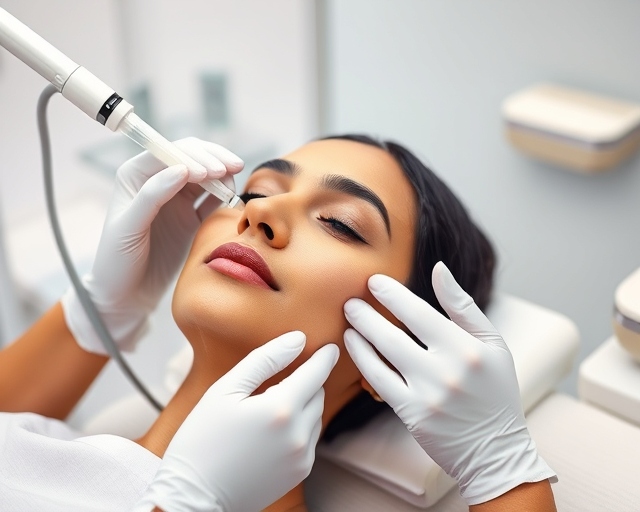
1. Pathophysiology: The Four Interconnected Drivers of Melasma
To manage melasma effectively, a medical dermatologist evaluates and treats the four distinct physiological components that drive the condition:
┌─────────────────────────────────────────────────────────┐
│              1. HYPER-REACTIVE MELANOCYTES              │
│ • Elevated Tyrosinase enzyme synthesis                  │
│ • Excess Eumelanin production & melanosome transfer     │
└────────────────────────────┬────────────────────────────┘
                             │
┌────────────────────────────▼────────────────────────────┐
│            2. ABNORMAL DERMAL VASCULARITY               │
│ • Upregulated VEGF (Vascular Endothelial Growth Factor) │
│ • Dilated micro-vessels release factors stimulating oil/pigment│
└────────────────────────────┬────────────────────────────┘
                             │
┌────────────────────────────▼────────────────────────────┐
│          3. BASEMENT MEMBRANE DEGRADATION               │
│ • Solar elastosis & MMP-2 / MMP-9 enzyme damage          │
│ • Epidermal melanin leaks down into reticular dermis    │
└────────────────────────────┬────────────────────────────┘
                             │
┌────────────────────────────▼────────────────────────────┐
│               4. HORMONAL & RECEPTOR DRIVERS            │
│ • Estrogen (ER-α) & Progesterone stimulation            │
│ • Endothelin-1 & α-MSH paracrine signaling cascades     │
└─────────────────────────────────────────────────────────┘
- Melanocyte Hyper-Reactivity: Melanocytes in melasma lesions are larger, denser, and synthesize significantly higher levels of the key enzyme tyrosinase, leading to accelerated conversion of L-tyrosine into dark eumelanin.
- Upregulated Dermal Vascularity: Melasma is not just a pigment disorder; it is deeply tied to the vascular system. Solar UV exposure upregulates Vascular Endothelial Growth Factor (VEGF). The resulting dilated micro-vessels secrete chemical messengers (paracrine factors) that continuously tell surrounding melanocytes to produce more pigment.
- Basement Membrane Degradation: UV radiation and oxidative stress activate matrix metalloproteinases (MMP-2 and MMP-9), damaging the delicate basement membrane separating the epidermis from the dermis. Melanin and melanocytes drop through these microscopic tears into the deeper dermis, forming stubborn dermal melasma patches.
- Hormonal Sensitivity: Estrogen and progesterone receptors expressed on facial melanocytes make them hyper-sensitive to hormonal fluctuations caused by pregnancy, oral contraceptives, hormone replacement therapy, or polycystic ovarian syndrome (PCOS).
2. Anatomical Subtypes of Melasma
During a diagnostic examination, a dermatologist uses Wood’s lamp illumination and digital dermoscopy to categorize melasma by its precise depth:
+-----------------------------------------------------------------------+
|                    HISTOLOGICAL DEPTH OF MELASMA                      |
+-----------------------------------------------------------------------+
|  [Stratum Corneum]  ===================================               |
|  EPIDERMAL MELASMA  | Dark brown tone, sharp borders   | (Tyrosinase) |
|                     | Pigment in basal keratinocytes   |              |
|                     -----------------------------------               |
|  DERMAL MELASMA     | Ash-gray / Slate-blue tone       | (Dermal      |
|                     | Melanophages in reticular dermis | Macrophages) |
|                     -----------------------------------               |
|  MIXED MELASMA      | Combined brown & gray patches    | (Most Common)|
|                     | Multi-layered pigment deposition |              |
+-----------------------------------------------------------------------+
| Melasma Subtype | Clinical Appearance | Wood’s Lamp Examination | Depth Layer | Primary Clinical Strategy |
| Epidermal Melasma | Dark brown patches with distinct, sharp borders | Pigment contrast accentuates under UV light | Basal & suprabasal keratinocyte layers | Topical Tyrosinase Inhibitors, Mandelic / Glycolic Peels |
| Dermal Melasma | Ash-gray, slate-blue, or muddy-brown patches with diffuse borders | Pigment contrast does NOT accentuate | Deep reticular dermis (in dermal macrophages) | Low-fluence Q-Switched 1064nm Laser Toning, Oral Tranexamic Acid |
| Mixed Melasma | Combination of dark brown and ash-gray patches | Variable accentuation (Most common presentation) | Both Epidermal and Dermal layers | Cosmelan® Depigmentation Mask, Laser Toning + Peels |
3. Advanced Clinical Modalities for Melasma Treatment
Because melasma involves multiple anatomical layers, single-agent therapies rarely deliver complete or lasting results. Leading dermatological centers use tailored multi-modality protocols:
                           ┌────────────────────────────────────────┐
                           │    CLINICAL MELASMA MODALITIES         │
                           └───────────────────┬────────────────────┘
                                               │
       ┌──────────────────┬────────────────────┼──────────────────┬──────────────────┐
       ▼                  ▼                    ▼                  ▼                  ▼
┌──────────────┐   ┌──────────────┐     ┌──────────────┐   ┌──────────────┐   ┌──────────────┐
│ Cosmelan®    │   │ Q-Switched   │     │ Oral &       │   │ Specialized  │   │ Glutathione  │
│ Depigmentation│  │ Laser Toning │     │ Topical      │   │ Chemical     │   │ & Vitamin C  │
│ Mask System  │   │  (1064nm)    │     │ Tranexamic A.│   │ Peels        │   │ Mesotherapy  │
└──────────────┘   └──────────────┘     └──────────────┘   └──────────────┘   └──────────────┘
1. Cosmelan® & Dermamelan® Depigmentation Mask Systems
The global gold standard medical treatment for severe, recalcitrant, and mixed melasma.
- Two-Phase Protocol:
- Phase 1 (In-Clinic Mask): An intensive depigmenting mask applied at the clinic and left on the skin for 8 to 12 hours depending on skin phototype.
- Phase 2 (Home Maintenance): A structured 3-month home maintenance cream regimen (Cosmelan 2) paired with specialized barrier repair and mineral sun protection.
- Mechanism: Delivers concentrated tyrosinase inhibitors (Azelaic Acid, Kojic Acid, Phytic Acid, Arbutin, and Ascorbic Acid) deep into the skin to stop melanogenesis at the cellular level.
- Efficacy: Achieves up to 80% to 90% pigment reduction in a single clinical treatment cycle.
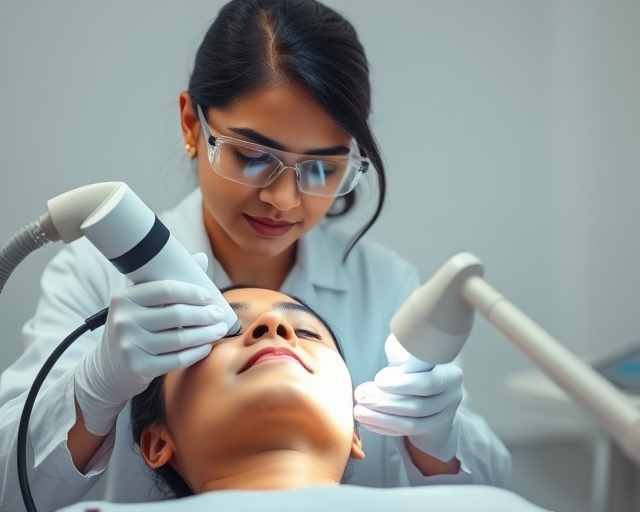
2. Low-Fluence Q-Switched Nd:YAG (1064nm) Laser Toning
A non-ablative photo-acoustic procedure engineered specifically for deep dermal melasma in darker skin phototypes.
- Sub-Thermolytic Action: Operates at low fluences ($0.8\text{ to }1.2\text{ J/cm}^2$) with large spot sizes ($6\text{ to }8\text{ mm}$). Its photo-acoustic shockwave shatters deep melanosomes into tiny fragments without generating excess surface heat.
- Safety Profile: Bypasses surface melanocytes to avoid thermal injury, preventing post-inflammatory hyperpigmentation (PIH) and rebound melasma.
3. Systemic & Topical Tranexamic Acid (TA) Protocols
For vascular melasma, low-dose oral Tranexamic Acid provides powerful internal support.
- Mechanism: Inhibits the plasminogen/plasmin system, blocking interaction between keratinocytes and melanocytes while calming abnormal micro-vessels in the underlying dermis.
4. Specialized Dermatological Chemical Peels
- Melanostop Peels: Formulated with Azelaic Acid, Resorcinol, and Phytic Acid to accelerate the shedding of superficial melanin.
- Ferulic Acid & Mandelic Peels: Large-molecule organic acids that exfoliate gently while neutralizing free radicals, making them safe for sensitive or dark skin tones.
4. Comprehensive Modality Comparison for Melasma Treatment
| Parameter | Cosmelan® Mask System | Q-Switched Laser Toning (1064nm) | Oral Tranexamic Acid | Dermatological Chemical Peels |
| Primary Target | Epidermal & Dermal Melasma | Deep Dermal Melanin Particles | Abnormal Dermal Micro-vessels | Superficial Epidermal Melanin |
| Mechanism | Complete tyrosinase inhibition | Photo-acoustic melanolysis | Plasmin / Vascular inhibition | Organic acid exfoliation |
| Best For | Severe, recalcitrant melasma | Dermal melasma, stubborn spots | Vascular / Hormonal melasma | Mild epidermal melasma, sun tan |
| Comfort Level | Comfortable (Mild warmth) | Painless (Mild warm tingling) | Systemic (Oral tablet) | Mild tingling / warmth |
| Recovery Downtime | 4 – 7 Days (Redness & peeling) | Zero Social Downtime | None | 1 – 3 Days (Micro-flaking) |
| Onset of Clearing | 2 – 3 Weeks | 3 – 4 Sessions | 4 – 6 Weeks | 2 – 3 Sessions |
5. Cost Breakdown of Melasma Treatment in Hyderabad
Pricing for clinical melasma treatments across top dermatological centers in Hyderabad depends on practitioner qualifications, technology grade (US-FDA cleared laser platforms), the medical grade of depigmentation masks, and total required sessions:
| Procedure / Modality | Clinical Application | Estimated Cost Range per Session (INR) | Recommended Package |
| Specialist Dermatologist Consultation | Diagnostic mapping & Wood’s lamp | ₹700 – ₹1,200 | Initial visit + follow-ups |
| Dermatological Chemical Peel (Face) | Superficial epidermal clearance | ₹2,500 – ₹5,000 | 3 – 6 Sessions |
| Q-Switched Laser Toning (Full Face) | Deep dermal pigment clearance | ₹3,500 – ₹7,500 | 4 – 8 Sessions |
| Cosmelan® Full Depigmentation Mask | Severe melasma (Mask + 3-mo Home Kit) | ₹25,000 – ₹45,000 | Single application + home kit |
| Glutathione & Vitamin C Mesotherapy | Antioxidant depigmentation | ₹4,500 – ₹9,500 | 3 – 5 Sessions |
6. Local Environmental Triggers in Hyderabad & Melasma Protection
Achieving and maintaining long-term melasma remission requires protecting your skin barrier against environmental stressors unique to the Hyderabad region:
Regional Drivers & Protective Guidance
- High Year-Round Solar UV Index: Hyderabad experiences high UV index levels year-round. Unprotected UVA and UVB exposure triggers rapid melanocyte activation. Solution: Daily application of broad-spectrum physical mineral sunscreen (SPF 50+, PA++++) with Iron Oxides is mandatory.
- Visible Blue Light (HEV Radiation): Blue light from digital screens and bright indoor lighting penetrates deep into the dermis, directly activating melanopsin receptors on melanocytes. Solution: Use tinted mineral sunscreens containing Iron Oxides, which block visible blue light far better than clear sunscreens.
- Hard Borewell Water (High TDS): Tap water in expanding residential hubs like Kondapur, Madhapur, Gachibowli, and Kukatpally contains high Total Dissolved Solids (TDS) such as calcium and magnesium. Washing delicate facial skin with hard water leaves mineral residues that disrupt pH balance and irritate the skin barrier. Solution: Cleanse facial skin using lukewarm filtered or RO water.
7. Daily Dermatologist-Approved Melasma Maintenance Regimen
To preserve your treatment results and prevent melasma rebounds, follow this disciplined daily routine:
Morning Protocol (AM)
├── 1. Gentle Cleanser (pH 5.5 balanced, non-soap cleanser with filtered/RO water)
├── 2. Antioxidant Serum (10-15% L-Ascorbic Acid / Niacinamide 5%)
├── 3. Barrier Repair Moisturizer (Ceramides + Hyaluronic Acid)
└── 4. Tinted Mineral Sunscreen (SPF 50+, PA++++ with Iron Oxides for Blue Light)

Evening Protocol (PM)
├── 1. Gentle Cleansing (Double-cleanse to remove sunscreen & pollution particles)
├── 2. Depigmenting Maintenance Active (Azelaic Acid 10-15% / Alpha Arbutin 2% / Kojic Acid)
└── 3. Intensive Barrier Repair Gel-Cream

8. Frequently Asked Questions (FAQs)
1. What is the most effective Melasma Treatment in Hyderabad?
The most effective approach is multi-modality combination therapy tailored to melasma depth and vascularity. At Dr. Showrya Gadde Dermatology & Wellness, deep dermal melasma is fragmented using low-fluence Q-Switched Nd:YAG (1064nm) Laser Toning, severe recalcitrant melasma is treated with Cosmelan® depigmentation masks, and systemic vascular drivers are controlled with prescription Tranexamic Acid protocols.
2. How much does clinical melasma treatment cost in Hyderabad?
In Hyderabad, dermatological chemical peels for melasma range from ₹2,500 to ₹5,000 per session. Q-Switched Laser Toning costs ₹3,500 to ₹7,500 per session. Advanced intensive depigmentation protocols like Cosmelan® range from ₹25,000 to ₹45,000, which includes the in-clinic mask application and 3 months of home-maintenance care.
3. Can melasma be cured permanently?
Melasma is driven by internal hormonal, genetic, vascular, and environmental factors, meaning no single treatment offers an absolute permanent “cure.” However, an evidence-based clinical regimen combining Q-Switched laser toning, Cosmelan® masks, oral tranexamic acid, and strict daily broad-spectrum mineral sun protection can achieve 80% to 90% clearing and put melasma into long-term remission.
4. Why do over-the-counter fairness creams and salon facials fail to cure melasma?
Over-the-counter creams, salon bleaching packs, and home remedies only act on the superficial outer stratum corneum or contain harmful bleaching chemicals and steroids. Melasma involves deep dermal melanin, hyperactive melanocytes, and abnormal blood vessels in the reticular dermis that require pharmaceutical tyrosinase inhibitors, lasers, or medical peels.
5. Is laser treatment safe for melasma on dark Indian skin (Fitzpatrick IV–VI)?
Yes, provided low-fluence, non-ablative Q-Switched Nd:YAG (1064nm) lasers are used. High-heat lasers or IPL devices can cause thermal burns, triggering severe rebound melasma and Post-Inflammatory Hyperpigmentation (PIH) in South Asian skin.
6. What is Cosmelan® and how does it treat severe, stubborn melasma?
Cosmelan® by Mesoestetic is a professional depigmentation mask system. The intensive in-clinic mask inhibits tyrosinase enzymes and halts melanogenesis at the cellular level, followed by 3 months of home maintenance cream to achieve up to 90% pigment clearance.
7. How does Tranexamic Acid help in treating melasma?
Tranexamic Acid (oral or topical) inhibits the plasminogen/plasmin pathway, blocking communication between keratinocytes and melanocytes. It also calms dilated micro-vessels in the dermis that feed melasma patches, significantly reducing dark discoloration.
8. How many clinical sessions are required for noticeable melasma clearance?
Cosmelan® depigmentation achieves dramatic clearing in a single application plus home care. For Q-Switched laser toning and medical chemical peels, patients typically require 4 to 8 sessions spaced 2 to 3 weeks apart for gradual, uniform lightening.
9. How does Hyderabad’s climate and hard tap water worsen melasma?
Hyderabad experiences high UV index levels year-round, which directly stimulate melanocytes. Additionally, hard tap water in areas like Kondapur and Madhapur contains high Total Dissolved Solids (TDS) such as calcium and magnesium, which disrupt the protective skin barrier and exacerbate skin sensitivity.
10. What triggers melasma flares in women?
Melasma flares are triggered primarily by hormonal fluctuations (pregnancy, oral contraceptives, PCOS, thyroid imbalances), ultraviolet (UV) radiation, visible blue light from screens, ambient environmental heat, and emotional stress.
11. Can men get melasma, and how is it treated?
Yes, approximately 10% of melasma cases occur in men, typically driven by intense UV exposure, chronic heat, and genetic factors. Clinical treatment protocols—including Q-Switched laser toning, chemical peels, and broad-spectrum mineral sunscreen—are equally effective for men.
12. What is the difference between Epidermal, Dermal, and Mixed Melasma?
Epidermal melasma has pigment in the upper skin layer, appearing dark brown with sharp borders. Dermal melasma has pigment deep in the reticular dermis, appearing ash-gray or slate-blue. Mixed melasma features both brown and gray patches and is the most common subtype.
13. What daily home-care skincare routine maintains clear skin after melasma treatment?
Maintain clear skin using gentle, pH-balanced cleansers, topical tyrosinase inhibitors (Azelaic Acid 10–15%, Alpha Arbutin, Niacinamide, Kojic Acid), lightweight barrier repair moisturizers, and daily tinted physical mineral sunscreen (SPF 50+) containing Iron Oxides.
14. What pre-procedure care is required before a melasma laser or chemical peel?
Discontinue active exfoliating topicals (Retinoids, Tretinoin, Glycolic Acid, Salicylic Acid, Benzoyl Peroxide) 3 to 5 days prior to your session. Avoid direct sunbathing, tanning, or facial waxing for 7 days before treatment.
15. Why choose Dr. Showrya Gadde Dermatology & Wellness for melasma treatment?
Under the leadership of Dr. Showrya Gadde (MBBS, DNB – Dermatology), our clinic provides diagnostic evaluations, US-FDA approved laser technology, authentic Cosmelan® systems, and evidence-based care tailored to South Asian skin.
9. Schedule Your Clinical Diagnostic Evaluation
Putting melasma into long-term remission requires precise medical diagnosis and specialized dermatological care. If dark facial patches, hormonal melasma, or stubborn sun spots are affecting your skin confidence, schedule a diagnostic consultation with Dr. Showrya Gadde at Dr. Showrya Gadde Dermatology & Wellness in Jubilee Enclave, Kondapur, Hyderabad. A personalized clinical evaluation will map your exact melasma depth and establish a safe, effective path to clear, healthy skin.
Leave a Reply