
Table of Contents
Eczema Treatment in Hyderabad | Dr. Showrya Gadde
Persistent itching, dry patches, redness, scaling and recurring skin irritation can affect daily comfort. When these symptoms continue or return despite regular moisturising, they may be associated with eczema, a group of inflammatory skin conditions that can affect people of different ages.
People searching for eczema treatment in Hyderabad often want to understand what causes their symptoms, how eczema differs from other skin conditions and which treatments may help control flare-ups. An accurate diagnosis is an important first step because eczema can resemble fungal infections, psoriasis, contact allergies and other dermatological conditions.
Eczema is not a single condition with one treatment for everyone. Its management depends on the type of eczema, the affected areas, symptom severity, age, medical history and possible triggers.
Dr. Showrya Gadde is a dermatologist based in Madhapur, Hyderabad. People experiencing persistent skin irritation can enquire about a dermatology consultation to determine whether their symptoms are consistent with eczema and what management options may be appropriate.
This guide covers common eczema symptoms, possible causes, treatment approaches, daily skincare, prevention strategies and frequently asked questions.
What Is Eczema?
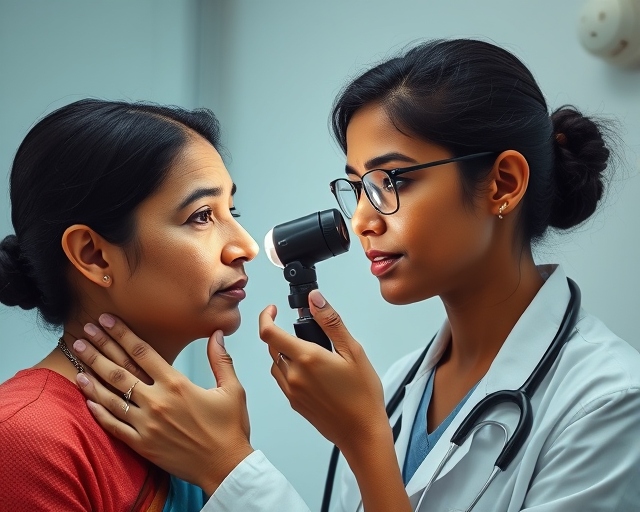
Eczema is a general term used for a group of conditions that cause inflammation, itching and irritation of the skin. Atopic dermatitis is one of the most common forms.
In eczema, the skin barrier may not function as effectively as it should. This can allow moisture to escape more easily and make the skin more vulnerable to irritants and environmental factors.
Eczema can occur during childhood or adulthood. Some people experience long periods with few symptoms, followed by flare-ups. Others have persistent symptoms that require ongoing management.
Eczema is not contagious. It does not spread from one person to another through touching, sharing clothing or being in the same room.
There is no single treatment that permanently cures every type of eczema. However, suitable treatment, skin-barrier care and trigger management can help many people control symptoms and reduce flare-ups.
Common Symptoms of Eczema
Eczema symptoms vary according to the type of condition, age and affected body area.
1. Persistent Itching
Itching is one of the most common eczema symptoms. It may become more noticeable at night, during hot weather or after exposure to irritating products.
Repeated scratching can damage the skin, increase inflammation and raise the risk of infection. Keeping nails short and treating the underlying inflammation may help reduce this cycle.
2. Dry or Rough Skin
Affected skin may feel dry, rough, tight or flaky. Moisture loss can make the skin uncomfortable and more susceptible to irritation.
Regular use of a suitable moisturiser is an important part of managing many forms of eczema.
3. Redness and Inflammation
Eczema can cause inflamed patches that appear red, pink, purple, grey or darker than the surrounding skin, depending on the person’s skin tone.
Inflammation may become more visible during a flare-up. The appearance alone is not enough to confirm the diagnosis.
4. Scaling and Cracking
Dry patches may develop scales or small cracks. These can be uncomfortable and sometimes painful, especially on the hands, feet or areas that bend frequently.
Cracked skin may also be more vulnerable to infection.
5. Thickened Skin
Repeated scratching and rubbing can cause the skin to become thicker or develop more noticeable skin lines. This is sometimes called lichenification.
Persistent thickening usually indicates that the affected area has been inflamed or scratched repeatedly.
6. Fluid-Filled Bumps or Oozing
Some eczema flare-ups may involve small blisters, fluid leakage or crusting. These symptoms can also occur with infections and other skin conditions, so assessment is important.
Rapidly spreading redness, increasing pain, pus, fever or extensive crusting should prompt medical attention.
What Causes Eczema?
Eczema does not have one universal cause. Its development and flare-ups may involve a combination of skin-barrier function, immune responses, genetics and environmental exposures.
Factors that may contribute include:
- A personal or family history of eczema, asthma or allergic conditions.
- Frequent contact with soaps, detergents or cleaning products.
- Fragranced skincare and cosmetic products.
- Dry weather or low humidity.
- Heat, sweating and friction.
- Certain fabrics or workplace exposures.
- Allergic contact reactions to specific substances.
- Stress, which may worsen symptoms in some people.
- Skin infections that complicate existing eczema.
Not every factor affects every individual. A trigger diary can help identify patterns without unnecessarily avoiding foods, activities or products that have no connection to the symptoms.
Food allergies are not the cause of every eczema case. Dietary changes, particularly restrictive diets for children, should not be started without appropriate medical advice.
Types of Eczema
Understanding the type of eczema can help guide treatment.
Atopic Dermatitis
Atopic dermatitis is a chronic inflammatory condition often associated with dry, itchy skin. It may begin in childhood but can also affect adults.
Symptoms can appear on the face, neck, hands, arms, legs and skin folds. Treatment focuses on reducing inflammation, protecting the skin barrier and managing flare-ups.
Contact Dermatitis
Contact dermatitis develops when the skin reacts to an irritant or an allergen.
Irritant contact dermatitis may result from repeated exposure to substances such as detergents, solvents or frequent handwashing. Allergic contact dermatitis occurs when the immune system reacts to a particular substance, such as a fragrance, metal or preservative.
Identifying and reducing exposure to the responsible substance is an important part of management. Patch testing may be considered when allergic contact dermatitis is suspected.
Dyshidrotic Eczema
Dyshidrotic eczema can cause small, itchy blisters on the palms, sides of the fingers or soles of the feet. The affected skin may later peel, crack or become dry.
Heat, sweating, irritation and other factors may contribute. A dermatologist can assess whether the symptoms are consistent with this condition or another cause of hand or foot blisters.
Nummular Eczema
Nummular eczema produces coin-shaped or oval patches that may be itchy, dry or inflamed. Some patches may ooze or develop crusts.
Because fungal infections and other skin conditions can look similar, a correct diagnosis is particularly important before starting treatment.
Seborrhoeic Dermatitis
Seborrhoeic dermatitis commonly affects oily areas such as the scalp, eyebrows, sides of the nose and behind the ears. It may cause scaling and inflammation.
Although often discussed alongside eczema, it has different contributing factors and may require a different treatment plan.
Stasis Dermatitis
Stasis dermatitis usually affects the lower legs and is associated with problems involving blood circulation in the veins. Swelling, skin discolouration, itching and scaling may occur.
It requires assessment of both the skin and the underlying circulation. Sudden or severe leg swelling, particularly when accompanied by pain or breathlessness, requires urgent medical evaluation.
When Should You Seek Eczema Treatment in Hyderabad?
Consider consulting a dermatologist if you experience:
- Itching that repeatedly disrupts sleep or daily activities.
- Dry, inflamed patches that persist despite gentle skincare.
- Recurrent rashes affecting the hands, face, neck or skin folds.
- Skin cracks, bleeding or painful irritation.
- Symptoms that worsen after using skincare products.
- A rash that spreads or changes in appearance.
- Repeated flare-ups that require frequent use of creams.
- Uncertainty about whether the problem is eczema, fungal infection or an allergy.
Seek prompt medical attention if the skin becomes increasingly painful, warm, swollen or rapidly red, or if pus, fever or widespread crusting develops. These may be signs of infection.
A painful rash with clusters of similar-looking blisters, particularly in someone with eczema, also needs urgent assessment.
How Is Eczema Diagnosed?
Eczema is usually diagnosed through a clinical examination and a discussion of the person’s symptoms and history.
A dermatologist may ask:
- When did the symptoms begin?
- Which areas of the body are affected?
- Is itching worse at particular times?
- Have new soaps, cosmetics, detergents or workplace chemicals been introduced?
- Is there a personal or family history of eczema, asthma or allergies?
- Which treatments have already been tried?
- Have there been episodes of oozing, crusting or infection?
The dermatologist may examine the distribution, texture and appearance of the affected skin.
Additional tests are not necessary in every case. Depending on the findings, a clinician may consider patch testing for suspected contact allergy, skin scrapings or other investigations when an alternative diagnosis needs to be excluded.
An accurate diagnosis helps prevent unsuitable treatments. For example, a fungal infection may worsen or become harder to recognise if treated incorrectly with a steroid cream.
Eczema Treatment Options in Hyderabad
The appropriate treatment depends on the eczema type, severity, affected body areas and the person’s medical history. A dermatologist may combine several approaches.
1. Moisturisers and Skin-Barrier Care
Moisturisers help reduce water loss and support the skin barrier. They are important in managing many forms of eczema, including between flare-ups.
Options may include creams, ointments or other fragrance-free emollients. The most suitable texture depends on the affected area, weather conditions, personal preference and skin response.
Applying moisturiser after bathing can help retain moisture. Products that sting or repeatedly irritate the skin should be reviewed with a clinician.
2. Topical Corticosteroids
Prescription topical corticosteroids are commonly used to reduce eczema inflammation during flare-ups.
The appropriate strength, duration and application area depend on the person’s age, diagnosis and the location of the rash. Delicate areas such as the face and skin folds generally require particular care.
Using a stronger product than necessary or applying it for longer than directed may increase the risk of side effects. Follow the prescribing clinician’s instructions and ask for clarification if the application schedule is unclear.
3. Non-Steroid Prescription Treatments
Certain prescription non-steroid creams or ointments may be suitable for specific forms of eczema or sensitive areas.
The choice depends on the diagnosis, age, treatment history and potential side effects. A dermatologist can explain whether one of these options is appropriate.
Do not substitute a product prescribed for another person or use a prescription medicine simply because it helped a similar-looking rash.
4. Oral Medication in Selected Cases
Some people with more extensive or difficult-to-control eczema may need treatment beyond topical products.
Depending on the condition, a clinician may consider oral medication or other systemic therapies. These treatments require individual assessment and may need monitoring for adverse effects.
Oral treatment is not necessary for everyone with eczema, and the choice should reflect the severity of the disease and the person’s overall health.
5. Wet-Wrap Therapy
Wet-wrap therapy may sometimes be recommended for selected moderate or severe flare-ups. It involves applying suitable topical treatment or moisturiser and covering the affected area with damp and dry layers.
This approach is not appropriate for every situation and should be demonstrated by a healthcare professional, especially when medicines are used underneath the wraps.
6. Phototherapy
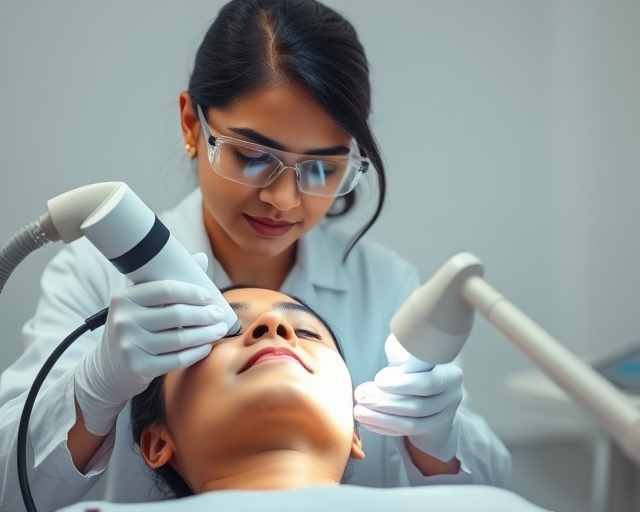
Medically supervised phototherapy may be considered for certain people whose eczema does not respond adequately to routine treatments.
It involves controlled exposure to specific types of ultraviolet light under professional supervision. The suitability, expected benefits, session frequency and long-term risks should be discussed before starting.
Unsupervised sun exposure or commercial tanning equipment is not a substitute for medical phototherapy.
7. Management of Infections
Scratching and skin-barrier damage can sometimes lead to infection. If infection is suspected, the clinician will assess whether specific treatment is needed.
Antibiotics are not routinely required for every eczema flare-up. They should be used only when clinically indicated.
8. Treatment for Contact Allergies
When contact dermatitis is suspected, identifying the responsible irritant or allergen is central to treatment.
A dermatologist may recommend changes to skincare, protective measures at work or patch testing. Avoiding the confirmed trigger can help reduce future episodes.
Eczema Care for Indian Skin Types
Eczema affects people across skin tones, and its appearance can vary. On darker skin, inflammation may appear brown, purple, grey or darker than the surrounding area rather than bright red.
After a flare-up settles, some people develop temporary or persistent areas of lighter or darker pigmentation. Scratching and repeated irritation may contribute to these changes.
A treatment plan should account for skin tone, sensitivity, the affected body area and any history of pigmentation changes.
Harsh exfoliation, bleaching products and unverified home remedies may aggravate inflamed skin. It is generally better to prioritise controlling the inflammation and restoring the skin barrier before addressing any residual pigmentation.
Daily Skincare Tips for Eczema-Prone Skin
Use Lukewarm Water
Long, hot showers can remove skin oils and worsen dryness. Keep bathing reasonably brief and use lukewarm water.
Choose Gentle Cleansers
Use a mild, fragrance-free cleanser where needed. Avoid vigorous scrubbing and products that repeatedly cause stinging or itching.
Moisturise Consistently
Apply a suitable moisturiser regularly, including after bathing. People with frequent flare-ups may benefit from maintaining their moisturising routine even when symptoms improve.
Wear Comfortable Clothing
Soft, breathable clothing may reduce friction and discomfort. Some people find wool or rough fabrics irritating when worn directly against affected skin.
Manage Sweat and Heat
Heat and sweat can aggravate eczema for some individuals. Change out of damp clothing after exercise and gently rinse away sweat when practical.
Be Careful With New Products
Introduce new skincare products one at a time. If a product causes repeated irritation, stop using it and seek advice if symptoms persist.
Keep Fingernails Short
Short, smooth nails can reduce skin injury from scratching. For children, practical strategies to reduce nighttime scratching may also help.
Follow the Prescribed Plan
Use prescription products according to the clinician’s instructions. If treatment is not helping or symptoms return frequently, arrange a review rather than repeatedly increasing the dose or changing products independently.
Eczema in Children and Adults
Eczema can affect both children and adults, but the presentation and treatment considerations may differ.
In children, symptoms often affect the cheeks, limbs and skin folds, although the pattern varies with age. Caregivers should use products and medicines appropriate for the child’s age and follow professional instructions.
Adults may develop eczema for the first time or continue to experience symptoms that began during childhood. Hand eczema can be particularly disruptive for people who wash their hands frequently or work with cleaning products, chemicals or other irritants.
Persistent adult-onset rashes should be assessed rather than automatically assumed to be atopic dermatitis. Contact allergies, fungal infections and other conditions may require different management.
Can Eczema Be Prevented?
Not all eczema can be prevented, particularly when genetic and immune factors contribute. However, some flare-ups may be reduced through consistent skin care and avoidance of confirmed triggers.
Helpful measures include:
- Moisturising regularly.
- Using gentle cleansers.
- Avoiding known irritants or allergens.
- Protecting the skin during relevant work activities.
- Managing heat and sweat when these worsen symptoms.
- Following a treatment plan.
- Seeking assessment when the rash changes or fails to improve.
Avoid unnecessary dietary restrictions or extensive product avoidance without a clear reason. If a specific allergy is suspected, discuss appropriate assessment with a healthcare professional.
Choosing a Dermatologist for Eczema Treatment in Hyderabad
When choosing a dermatologist, consider the following factors.
Relevant qualifications: Look for a clinician with appropriate dermatology qualifications and experience assessing inflammatory skin conditions.
Accurate diagnosis: Eczema can resemble fungal infections, psoriasis and contact dermatitis. A suitable clinician should consider these possibilities before recommending treatment.
Individualised treatment: Treatment should reflect your age, medical history, symptom severity and affected body areas.
Clear instructions: Ask how much medicine to apply, how often to use it, how long treatment should continue and what side effects to watch for.
Follow-up support: Recurrent or difficult-to-control eczema may require adjustments. Ask when to return if symptoms persist or worsen.
Transparent costs: Confirm consultation charges, medication expenses and any additional investigation costs before proceeding.
Dr. Showrya Gadde’s practice is located in Madhapur, Hyderabad. You can contact the clinic to enquire about consultation availability and whether your skin concerns can be assessed there.
Frequently Asked Questions About Eczema Treatment in Hyderabad
1. What is the best treatment for eczema in Hyderabad?
The best treatment depends on the type and severity of eczema. Management may include moisturisers, prescription topical treatments, trigger avoidance or additional therapies for selected cases. A dermatologist can recommend an appropriate plan after assessment.
2. Can eczema be cured permanently?
There is no universal permanent cure for all forms of eczema. Many people can manage symptoms effectively with suitable treatment and skin care, although flare-ups may return.
3. Is eczema contagious?
No. Eczema does not spread through touching, sharing clothing or ordinary personal contact.
4. What are the early signs of eczema?
Early signs may include dry skin, itching, rough patches, redness or irritation. Symptoms vary, and other skin conditions can look similar.
5. Can adults develop eczema for the first time?
Yes. Eczema can begin in adulthood. A new persistent rash should be assessed because contact dermatitis, fungal infections and other conditions can resemble eczema.
6. Which doctor should I consult for eczema?
A qualified dermatologist can assess eczema and other inflammatory skin conditions, confirm the likely diagnosis and recommend appropriate treatment.
7. Can eczema affect the face?
Yes. Eczema may affect the face, including the eyelids. Facial skin is sensitive, so treatment should be selected carefully and used according to medical instructions.
8. Is eczema caused by poor hygiene?
No. Eczema is not a sign of poor hygiene. Frequent washing with harsh soaps can actually worsen dryness and irritation.
9. Can stress make eczema worse?
Stress may worsen symptoms in some people, although it is not the sole cause of eczema. Managing stress alongside appropriate medical care may help some individuals.
10. Which moisturiser is suitable for eczema?
A fragrance-free cream or ointment may be suitable for many people. The best choice depends on the person’s skin, affected area and preferences. Stop using products that repeatedly irritate the skin.
11. Are steroid creams safe for eczema?
Topical corticosteroids can be effective when appropriately selected and used as directed. The strength and duration depend on the diagnosis and application area. Unsupervised or prolonged use can cause side effects.
12. Can eczema leave dark marks on Indian skin?
Yes. Inflammation and scratching can lead to temporary or persistent pigmentation changes. Controlling inflammation and avoiding further irritation can help reduce additional skin damage.
13. Can diet cause eczema?
Food is not the cause of every eczema case. Specific food allergies may be relevant for some individuals, but restrictive diets should not be started without appropriate medical advice, particularly for children.
14. Is eczema the same as a fungal infection?
No. Eczema and fungal infections are different conditions, although their appearances can overlap. A dermatologist may need to examine the skin or perform additional tests before deciding on treatment.
15. Can eczema affect the hands and feet?
Yes. Eczema can affect the hands and feet, causing itching, dryness, cracking or blisters. Persistent symptoms may require assessment for contact dermatitis or other conditions.
16. How long does eczema treatment take to work?
The timeline varies with the type and severity of eczema and the treatment used. Some flare-ups improve within days or weeks, while chronic or severe cases may need longer-term management.
17. Should I stop using soap if I have eczema?
You do not necessarily need to stop all cleansing. A mild, fragrance-free cleanser used appropriately may be suitable. Avoid harsh soaps and products that repeatedly irritate the skin.
18. When should I seek urgent care for eczema?
Seek prompt assessment for rapidly spreading redness, increasing pain, warmth, swelling, pus or fever. Painful clusters of blisters or widespread worsening may also require urgent evaluation.
19. Can eczema return after treatment?
Yes. Eczema may recur because it can be a chronic condition. Maintaining skin-barrier care and following the recommended plan may help manage future flare-ups.
20. Where can I enquire about eczema treatment in Madhapur, Hyderabad?
You can contact Dr. Showrya Gadde’s clinic in Madhapur to ask about consultation availability. A clinician can assess whether your symptoms are consistent with eczema and discuss suitable options.
Conclusion
Eczema can cause persistent itching, dryness, inflammation and discomfort, but appropriate treatment and consistent skin-barrier care can help many people manage their symptoms.
The right approach depends on the type of eczema, the affected body areas, possible triggers and the individual’s medical history. Accurate diagnosis is particularly important when a rash resembles a fungal infection, contact allergy or another skin condition.
If you are looking for eczema treatment in Hyderabad, consider consulting a qualified dermatologist for an individual assessment. Dr. Showrya Gadde’s clinic in Madhapur can be contacted to enquire about appointments and relevant dermatology services.Persistent itching, dry patches, redness, scaling and recurring skin irritation can affect daily comfort. When these symptoms continue or return despite regular moisturising, they may be associated with eczema, a group of inflammatory skin conditions that can affect people of different ages.
People searching for eczema treatment in Hyderabad often want to understand what causes their symptoms, how eczema differs from other skin conditions and which treatments may help control flare-ups. An accurate diagnosis is an important first step because eczema can resemble fungal infections, psoriasis, contact allergies and other dermatological conditions.
Eczema is not a single condition with one treatment for everyone. Its management depends on the type of eczema, the affected areas, symptom severity, age, medical history and possible triggers.
Dr. Showrya Gadde is a dermatologist based in Madhapur, Hyderabad. People experiencing persistent skin irritation can enquire about a dermatology consultation to determine whether their symptoms are consistent with eczema and what management options may be appropriate.
This guide covers common eczema symptoms, possible causes, treatment approaches, daily skincare, prevention strategies and frequently asked questions.
What Is Eczema?
Eczema is a general term used for a group of conditions that cause inflammation, itching and irritation of the skin. Atopic dermatitis is one of the most common forms.
In eczema, the skin barrier may not function as effectively as it should. This can allow moisture to escape more easily and make the skin more vulnerable to irritants and environmental factors.
Eczema can occur during childhood or adulthood. Some people experience long periods with few symptoms, followed by flare-ups. Others have persistent symptoms that require ongoing management.
Eczema is not contagious. It does not spread from one person to another through touching, sharing clothing or being in the same room.
There is no single treatment that permanently cures every type of eczema. However, suitable treatment, skin-barrier care and trigger management can help many people control symptoms and reduce flare-ups.
Common Symptoms of Eczema
Eczema symptoms vary according to the type of condition, age and affected body area.
1. Persistent Itching
Itching is one of the most common eczema symptoms. It may become more noticeable at night, during hot weather or after exposure to irritating products.
Repeated scratching can damage the skin, increase inflammation and raise the risk of infection. Keeping nails short and treating the underlying inflammation may help reduce this cycle.
2. Dry or Rough Skin
Affected skin may feel dry, rough, tight or flaky. Moisture loss can make the skin uncomfortable and more susceptible to irritation.
Regular use of a suitable moisturiser is an important part of managing many forms of eczema.
3. Redness and Inflammation
Eczema can cause inflamed patches that appear red, pink, purple, grey or darker than the surrounding skin, depending on the person’s skin tone.
Inflammation may become more visible during a flare-up. The appearance alone is not enough to confirm the diagnosis.
4. Scaling and Cracking
Dry patches may develop scales or small cracks. These can be uncomfortable and sometimes painful, especially on the hands, feet or areas that bend frequently.
Cracked skin may also be more vulnerable to infection.
5. Thickened Skin
Repeated scratching and rubbing can cause the skin to become thicker or develop more noticeable skin lines. This is sometimes called lichenification.
Persistent thickening usually indicates that the affected area has been inflamed or scratched repeatedly.
6. Fluid-Filled Bumps or Oozing
Some eczema flare-ups may involve small blisters, fluid leakage or crusting. These symptoms can also occur with infections and other skin conditions, so assessment is important.
Rapidly spreading redness, increasing pain, pus, fever or extensive crusting should prompt medical attention.
What Causes Eczema?
Eczema does not have one universal cause. Its development and flare-ups may involve a combination of skin-barrier function, immune responses, genetics and environmental exposures.
Factors that may contribute include:
- A personal or family history of eczema, asthma or allergic conditions.
- Frequent contact with soaps, detergents or cleaning products.
- Fragranced skincare and cosmetic products.
- Dry weather or low humidity.
- Heat, sweating and friction.
- Certain fabrics or workplace exposures.
- Allergic contact reactions to specific substances.
- Stress, which may worsen symptoms in some people.
- Skin infections that complicate existing eczema.
Not every factor affects every individual. A trigger diary can help identify patterns without unnecessarily avoiding foods, activities or products that have no connection to the symptoms.
Food allergies are not the cause of every eczema case. Dietary changes, particularly restrictive diets for children, should not be started without appropriate medical advice.
Types of Eczema
Understanding the type of eczema can help guide treatment.
Atopic Dermatitis
Atopic dermatitis is a chronic inflammatory condition often associated with dry, itchy skin. It may begin in childhood but can also affect adults.
Symptoms can appear on the face, neck, hands, arms, legs and skin folds. Treatment focuses on reducing inflammation, protecting the skin barrier and managing flare-ups.
Contact Dermatitis
Contact dermatitis develops when the skin reacts to an irritant or an allergen.
Irritant contact dermatitis may result from repeated exposure to substances such as detergents, solvents or frequent handwashing. Allergic contact dermatitis occurs when the immune system reacts to a particular substance, such as a fragrance, metal or preservative.
Identifying and reducing exposure to the responsible substance is an important part of management. Patch testing may be considered when allergic contact dermatitis is suspected.
Dyshidrotic Eczema
Dyshidrotic eczema can cause small, itchy blisters on the palms, sides of the fingers or soles of the feet. The affected skin may later peel, crack or become dry.
Heat, sweating, irritation and other factors may contribute. A dermatologist can assess whether the symptoms are consistent with this condition or another cause of hand or foot blisters.
Nummular Eczema
Nummular eczema produces coin-shaped or oval patches that may be itchy, dry or inflamed. Some patches may ooze or develop crusts.
Because fungal infections and other skin conditions can look similar, a correct diagnosis is particularly important before starting treatment.
Seborrhoeic Dermatitis
Seborrhoeic dermatitis commonly affects oily areas such as the scalp, eyebrows, sides of the nose and behind the ears. It may cause scaling and inflammation.
Although often discussed alongside eczema, it has different contributing factors and may require a different treatment plan.
Stasis Dermatitis
Stasis dermatitis usually affects the lower legs and is associated with problems involving blood circulation in the veins. Swelling, skin discolouration, itching and scaling may occur.
It requires assessment of both the skin and the underlying circulation. Sudden or severe leg swelling, particularly when accompanied by pain or breathlessness, requires urgent medical evaluation.
When Should You Seek Eczema Treatment in Hyderabad?
Consider consulting a dermatologist if you experience:
- Itching that repeatedly disrupts sleep or daily activities.
- Dry, inflamed patches that persist despite gentle skincare.
- Recurrent rashes affecting the hands, face, neck or skin folds.
- Skin cracks, bleeding or painful irritation.
- Symptoms that worsen after using skincare products.
- A rash that spreads or changes in appearance.
- Repeated flare-ups that require frequent use of creams.
- Uncertainty about whether the problem is eczema, fungal infection or an allergy.
Seek prompt medical attention if the skin becomes increasingly painful, warm, swollen or rapidly red, or if pus, fever or widespread crusting develops. These may be signs of infection.
A painful rash with clusters of similar-looking blisters, particularly in someone with eczema, also needs urgent assessment.
How Is Eczema Diagnosed?
Eczema is usually diagnosed through a clinical examination and a discussion of the person’s symptoms and history.
A dermatologist may ask:
- When did the symptoms begin?
- Which areas of the body are affected?
- Is itching worse at particular times?
- Have new soaps, cosmetics, detergents or workplace chemicals been introduced?
- Is there a personal or family history of eczema, asthma or allergies?
- Which treatments have already been tried?
- Have there been episodes of oozing, crusting or infection?
The dermatologist may examine the distribution, texture and appearance of the affected skin.
Additional tests are not necessary in every case. Depending on the findings, a clinician may consider patch testing for suspected contact allergy, skin scrapings or other investigations when an alternative diagnosis needs to be excluded.
An accurate diagnosis helps prevent unsuitable treatments. For example, a fungal infection may worsen or become harder to recognise if treated incorrectly with a steroid cream.
Eczema Treatment Options in Hyderabad
The appropriate treatment depends on the eczema type, severity, affected body areas and the person’s medical history. A dermatologist may combine several approaches.
1. Moisturisers and Skin-Barrier Care
Moisturisers help reduce water loss and support the skin barrier. They are important in managing many forms of eczema, including between flare-ups.
Options may include creams, ointments or other fragrance-free emollients. The most suitable texture depends on the affected area, weather conditions, personal preference and skin response.
Applying moisturiser after bathing can help retain moisture. Products that sting or repeatedly irritate the skin should be reviewed with a clinician.
2. Topical Corticosteroids
Prescription topical corticosteroids are commonly used to reduce eczema inflammation during flare-ups.
The appropriate strength, duration and application area depend on the person’s age, diagnosis and the location of the rash. Delicate areas such as the face and skin folds generally require particular care.
Using a stronger product than necessary or applying it for longer than directed may increase the risk of side effects. Follow the prescribing clinician’s instructions and ask for clarification if the application schedule is unclear.
3. Non-Steroid Prescription Treatments
Certain prescription non-steroid creams or ointments may be suitable for specific forms of eczema or sensitive areas.
The choice depends on the diagnosis, age, treatment history and potential side effects. A dermatologist can explain whether one of these options is appropriate.
Do not substitute a product prescribed for another person or use a prescription medicine simply because it helped a similar-looking rash.
4. Oral Medication in Selected Cases
Some people with more extensive or difficult-to-control eczema may need treatment beyond topical products.
Depending on the condition, a clinician may consider oral medication or other systemic therapies. These treatments require individual assessment and may need monitoring for adverse effects.
Oral treatment is not necessary for everyone with eczema, and the choice should reflect the severity of the disease and the person’s overall health.
5. Wet-Wrap Therapy
Wet-wrap therapy may sometimes be recommended for selected moderate or severe flare-ups. It involves applying suitable topical treatment or moisturiser and covering the affected area with damp and dry layers.
This approach is not appropriate for every situation and should be demonstrated by a healthcare professional, especially when medicines are used underneath the wraps.
6. Phototherapy
Medically supervised phototherapy may be considered for certain people whose eczema does not respond adequately to routine treatments.
It involves controlled exposure to specific types of ultraviolet light under professional supervision. The suitability, expected benefits, session frequency and long-term risks should be discussed before starting.
Unsupervised sun exposure or commercial tanning equipment is not a substitute for medical phototherapy.
7. Management of Infections
Scratching and skin-barrier damage can sometimes lead to infection. If infection is suspected, the clinician will assess whether specific treatment is needed.
Antibiotics are not routinely required for every eczema flare-up. They should be used only when clinically indicated.
8. Treatment for Contact Allergies
When contact dermatitis is suspected, identifying the responsible irritant or allergen is central to treatment.
A dermatologist may recommend changes to skincare, protective measures at work or patch testing. Avoiding the confirmed trigger can help reduce future episodes.
Eczema Care for Indian Skin Types
Eczema affects people across skin tones, and its appearance can vary. On darker skin, inflammation may appear brown, purple, grey or darker than the surrounding area rather than bright red.
After a flare-up settles, some people develop temporary or persistent areas of lighter or darker pigmentation. Scratching and repeated irritation may contribute to these changes.
A treatment plan should account for skin tone, sensitivity, the affected body area and any history of pigmentation changes.
Harsh exfoliation, bleaching products and unverified home remedies may aggravate inflamed skin. It is generally better to prioritise controlling the inflammation and restoring the skin barrier before addressing any residual pigmentation.
Daily Skincare Tips for Eczema-Prone Skin
Use Lukewarm Water
Long, hot showers can remove skin oils and worsen dryness. Keep bathing reasonably brief and use lukewarm water.
Choose Gentle Cleansers
Use a mild, fragrance-free cleanser where needed. Avoid vigorous scrubbing and products that repeatedly cause stinging or itching.
Moisturise Consistently
Apply a suitable moisturiser regularly, including after bathing. People with frequent flare-ups may benefit from maintaining their moisturising routine even when symptoms improve.
Wear Comfortable Clothing
Soft, breathable clothing may reduce friction and discomfort. Some people find wool or rough fabrics irritating when worn directly against affected skin.
Manage Sweat and Heat
Heat and sweat can aggravate eczema for some individuals. Change out of damp clothing after exercise and gently rinse away sweat when practical.
Be Careful With New Products
Introduce new skincare products one at a time. If a product causes repeated irritation, stop using it and seek advice if symptoms persist.
Keep Fingernails Short
Short, smooth nails can reduce skin injury from scratching. For children, practical strategies to reduce nighttime scratching may also help.
Follow the Prescribed Plan
Use prescription products according to the clinician’s instructions. If treatment is not helping or symptoms return frequently, arrange a review rather than repeatedly increasing the dose or changing products independently.
Eczema in Children and Adults
Eczema can affect both children and adults, but the presentation and treatment considerations may differ.
In children, symptoms often affect the cheeks, limbs and skin folds, although the pattern varies with age. Caregivers should use products and medicines appropriate for the child’s age and follow professional instructions.
Adults may develop eczema for the first time or continue to experience symptoms that began during childhood. Hand eczema can be particularly disruptive for people who wash their hands frequently or work with cleaning products, chemicals or other irritants.
Persistent adult-onset rashes should be assessed rather than automatically assumed to be atopic dermatitis. Contact allergies, fungal infections and other conditions may require different management.
Can Eczema Be Prevented?
Not all eczema can be prevented, particularly when genetic and immune factors contribute. However, some flare-ups may be reduced through consistent skin care and avoidance of confirmed triggers.
Helpful measures include:
- Moisturising regularly.
- Using gentle cleansers.
- Avoiding known irritants or allergens.
- Protecting the skin during relevant work activities.
- Managing heat and sweat when these worsen symptoms.
- Following a treatment plan.
- Seeking assessment when the rash changes or fails to improve.
Avoid unnecessary dietary restrictions or extensive product avoidance without a clear reason. If a specific allergy is suspected, discuss appropriate assessment with a healthcare professional.
Choosing a Dermatologist for Eczema Treatment in Hyderabad
When choosing a dermatologist, consider the following factors.
Relevant qualifications: Look for a clinician with appropriate dermatology qualifications and experience assessing inflammatory skin conditions.
Accurate diagnosis: Eczema can resemble fungal infections, psoriasis and contact dermatitis. A suitable clinician should consider these possibilities before recommending treatment.
Individualised treatment: Treatment should reflect your age, medical history, symptom severity and affected body areas.
Clear instructions: Ask how much medicine to apply, how often to use it, how long treatment should continue and what side effects to watch for.
Follow-up support: Recurrent or difficult-to-control eczema may require adjustments. Ask when to return if symptoms persist or worsen.
Transparent costs: Confirm consultation charges, medication expenses and any additional investigation costs before proceeding.
Dr. Showrya Gadde’s practice is located in Madhapur, Hyderabad. You can contact the clinic to enquire about consultation availability and whether your skin concerns can be assessed there.
Frequently Asked Questions About Eczema Treatment in Hyderabad
1. What is the best treatment for eczema in Hyderabad?
The best treatment depends on the type and severity of eczema. Management may include moisturisers, prescription topical treatments, trigger avoidance or additional therapies for selected cases. A dermatologist can recommend an appropriate plan after assessment.
2. Can eczema be cured permanently?
There is no universal permanent cure for all forms of eczema. Many people can manage symptoms effectively with suitable treatment and skin care, although flare-ups may return.
3. Is eczema contagious?
No. Eczema does not spread through touching, sharing clothing or ordinary personal contact.
4. What are the early signs of eczema?
Early signs may include dry skin, itching, rough patches, redness or irritation. Symptoms vary, and other skin conditions can look similar.
5. Can adults develop eczema for the first time?
Yes. Eczema can begin in adulthood. A new persistent rash should be assessed because contact dermatitis, fungal infections and other conditions can resemble eczema.
6. Which doctor should I consult for eczema?
A qualified dermatologist can assess eczema and other inflammatory skin conditions, confirm the likely diagnosis and recommend appropriate treatment.
7. Can eczema affect the face?
Yes. Eczema may affect the face, including the eyelids. Facial skin is sensitive, so treatment should be selected carefully and used according to medical instructions.
8. Is eczema caused by poor hygiene?
No. Eczema is not a sign of poor hygiene. Frequent washing with harsh soaps can actually worsen dryness and irritation.
9. Can stress make eczema worse?
Stress may worsen symptoms in some people, although it is not the sole cause of eczema. Managing stress alongside appropriate medical care may help some individuals.
10. Which moisturiser is suitable for eczema?
A fragrance-free cream or ointment may be suitable for many people. The best choice depends on the person’s skin, affected area and preferences. Stop using products that repeatedly irritate the skin.
11. Are steroid creams safe for eczema?
Topical corticosteroids can be effective when appropriately selected and used as directed. The strength and duration depend on the diagnosis and application area. Unsupervised or prolonged use can cause side effects.
12. Can eczema leave dark marks on Indian skin?
Yes. Inflammation and scratching can lead to temporary or persistent pigmentation changes. Controlling inflammation and avoiding further irritation can help reduce additional skin damage.
13. Can diet cause eczema?
Food is not the cause of every eczema case. Specific food allergies may be relevant for some individuals, but restrictive diets should not be started without appropriate medical advice, particularly for children.
14. Is eczema the same as a fungal infection?
No. Eczema and fungal infections are different conditions, although their appearances can overlap. A dermatologist may need to examine the skin or perform additional tests before deciding on treatment.
15. Can eczema affect the hands and feet?
Yes. Eczema can affect the hands and feet, causing itching, dryness, cracking or blisters. Persistent symptoms may require assessment for contact dermatitis or other conditions.
16. How long does eczema treatment take to work?
The timeline varies with the type and severity of eczema and the treatment used. Some flare-ups improve within days or weeks, while chronic or severe cases may need longer-term management.
17. Should I stop using soap if I have eczema?
You do not necessarily need to stop all cleansing. A mild, fragrance-free cleanser used appropriately may be suitable. Avoid harsh soaps and products that repeatedly irritate the skin.
18. When should I seek urgent care for eczema?
Seek prompt assessment for rapidly spreading redness, increasing pain, warmth, swelling, pus or fever. Painful clusters of blisters or widespread worsening may also require urgent evaluation.
19. Can eczema return after treatment?
Yes. Eczema may recur because it can be a chronic condition. Maintaining skin-barrier care and following the recommended plan may help manage future flare-ups.
20. Where can I enquire about eczema treatment in Madhapur, Hyderabad?
You can contact Dr. Showrya Gadde’s clinic in Madhapur to ask about consultation availability. A clinician can assess whether your symptoms are consistent with eczema and discuss suitable options.
Conclusion
Eczema can cause persistent itching, dryness, inflammation and discomfort, but appropriate treatment and consistent skin-barrier care can help many people manage their symptoms.
The right approach depends on the type of eczema, the affected body areas, possible triggers and the individual’s medical history. Accurate diagnosis is particularly important when a rash resembles a fungal infection, contact allergy or another skin condition.
If you are looking for eczema treatment in Hyderabad, consider consulting a qualified dermatologist for an individual assessment. Dr. Showrya Gadde’s clinic in Madhapur can be contacted to enquire about appointments and relevant dermatology services.
Leave a Reply