
Table of Contents
Ultimate Guide to the Best Parenting App for Sleep Problems UK (2026)
Sleep deprivation is one of the most physically and emotionally exhausting aspects of early parenthood. Across the UK, thousands of parents struggle with chronic night wakings, prolonged bedtime battles, short nap syndrome, and sudden sleep regressions. When traditional advice from books or internet forums feels contradictory, relying on an adaptive, evidence-based Parenting App for Sleep Problems offers a clear, data-driven path forward.
Modern digital sleep solutions merge pediatric sleep medicine, chronobiology, and intuitive mobile design. By converting chaotic daily sleep schedules into structured visual routines, these applications reduce parental cognitive overload, optimize natural sleep pressures, and establish healthy circadian rhythms for infants, toddlers, and primary-school-aged children.

1. The Science of Pediatric Sleep: Why Digital Tracking Works
Understanding how infant and child sleep architecture differs from adult sleep is vital to resolving nighttime struggles. A child’s brain undergoes rapid neurological development, meaning their sleep cycles, melatonin production, and homeostatic sleep pressure operate on unique developmental timelines.
Circadian Rhythms and Homeostatic Sleep Pressure
Child sleep is regulated by two primary biological forces:
- System Core (Circadian Rhythm): The internal 24-hour biological clock driven by light, darkness, and body temperature. Newborns are not born with an established circadian rhythm; it develops gradually between 8 and 12 weeks of age as natural cortisol and melatonin secretion begins.
- Process S (Homeostatic Sleep Pressure): The continuous accumulation of neurochemical pressure (primarily adenosine) while awake. If a child stays awake too long, sleep pressure spikes excessively, triggering a stress response characterized by elevated cortisol and adrenaline. This phenomenon—commonly known as being overtired—causes severe difficulty falling asleep, frequent micro-wakings, and early morning starts.
The Role of Predictive Wake Windows
A wake window is the age-appropriate duration of time a child can comfortably remain awake between sleep sessions without becoming overstimulated or hyper-aroused. Because optimal wake windows shift week by week—and fluctuate based on the duration of previous naps—manual math during acute sleep deprivation often leads to errors.
+-----------------------------------------------------------------------+
|                       THE OVERTIREDNESS CYCLE                         |
+-----------------------------------------------------------------------+
|  Exceeded Wake Window  -->  Cortisol & Adrenaline Surge               |
|            |                                |                         |
|            v                                v                         |
|  Bedtime Resistance   -->  Frequent Micro-Wakings / Early Starts     |
+-----------------------------------------------------------------------+
An algorithm-driven Parenting App for Sleep Problems removes the guesswork by automatically calculating exact nap transition times based on dynamic, real-time logging. By identifying a child’s unique “sweet spot” for sleep, parents can initiate bedtime routines right as sleepiness peaks, minimizing tears and resistance.
2. Key Architectural Features of a Leading Sleep App
When searching for the right digital sleep tool in the UK, parents should evaluate software against specific clinical, operational, and technological capabilities:
Dynamic Real-Time Schedule Adaptation
If an infant wakes early from a 30-minute nap, a static PDF chart becomes useless. Advanced applications automatically re-calculate subsequent wake windows and bedtime schedules in real time, preventing bedtime overtiredness.
Custom Routine Construction & Auditory Anchors
Inconsistent pre-sleep routines make it hard for children to settle. Superior applications provide customizable visual checklists (e.g., bath, massage, story, lullaby) paired with built-in auditory anchors, such as white noise generators, pink noise calibration, or soothing lullabies with auto-shutoff timers.
Sleep Regression and Developmental Leap Tracking
Sleep regressions frequently coincide with neurological developmental leaps (such as crawling, pulling up to stand, or language acquisition) at 4 months, 8–10 months, 18 months, and 2 years. Top-tier applications notify parents of upcoming developmental phases, contextualizing sleep disruptions and offering targeted reassurance.
Multi-Caregiver Sync and Night-Friendly Interfaces
Childcare routines often involve both parents, extended family, or professional babysitters. Instant cloud synchronization across devices keeps every caregiver on the same page. Additionally, high-contrast Dark Mode design ensures midnight adjustments won’t emit bright blue light that disrupts the child’s or parent’s melatonin production.
3. Comparative Analysis: Top Parenting Apps for Sleep Problems in the UK
The market features diverse digital offerings, ranging from automated nap algorithms to personalized sleep consultant coaching. The comparison table below highlights prominent solutions used by families across the United Kingdom:
| Application Name | Primary Target Age | Core Strengths | UK NHS / Healthcare Compatibility | Pricing Structure |
| Huckleberry | 0 – 5 Years | Precision “SweetSpot” nap predictions, custom sleep plans, age-stage algorithms | High (Pediatric specialist designed) | Free basic tracking; Premium ~£9.50/month |
| Napper | 0 – 3 Years | Highly tailored mathematical sleep scheduling, smooth UI, integrated audio | Moderate (Focuses on natural rhythms) | 7-day free trial; ~£49.99/year |
| Little Ones | 0 – 3 Years | Comprehensive sleep programs, daytime-to-nighttime balance focus, consultant support | High (Independently endorsed by sleep PhDs) | ~£14.99/month or program package |
| Baby Soma | 0 – 3 Years | AI sleep coach integration, growth spurt alerts, guided 28-day sleep resets | Moderate (Data-driven sleep insights) | Freemium model with in-app upgrades |
| CubTrack | 0 – 2 Years | Simple, clean UK design, multi-caregiver sharing, fast zero-friction logging | High (Built specifically for UK privacy standards) | Free tier; Pro £4.79/month |
4. Special Considerations: Neurodivergence (SEND) and Medical Sleep Barriers
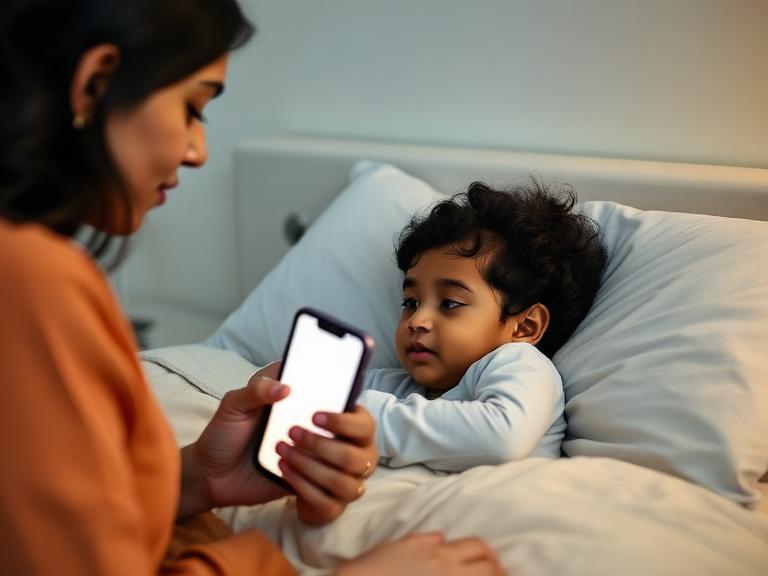
Not all pediatric sleep disruptions can be solved by adjusting wake windows alone. For neurodivergent children or infants experiencing underlying medical issues, a specialized Parenting App for Sleep Problems serves as an indispensable diagnostic and monitoring tool.
Neurodivergence (ADHD, Autism & Sensory Processing)
Children diagnosed with Attention Deficit Hyperactivity Disorder (ADHD) or Autism Spectrum Condition (ASC) often experience biological disruptions in endogenous melatonin synthesis. This can lead to prolonged sleep onset latency (taking hours to fall asleep) or frequent nighttime awakenings.
+-----------------------------------------------------------------------+
|               SPECIAL EDUCATIONAL NEEDS (SEND) TRACKER                |
+-----------------------------------------------------------------------+
|  1. SLEEP LATENCY METRICS   |  Tracks time from lights-out to sleep   |
|                             |  onset to evaluate natural melatonin    |
+-----------------------------+-----------------------------------------+
|  2. SENSORY AUDIT LOGS      |  Monitors room temp, fabric textures,   |
|                             |  and ambient sound impacts              |
+-----------------------------+-----------------------------------------+
|  3. CLINICAL PDF EXPORTS    |  Compiles evidence for CAMHS, GPs,      |
|                             |  and Pediatric Sleep Clinics            |
+-----------------------------+-----------------------------------------+
Using a sleep app allows parents of neurodivergent children to log sensory triggers, track sleep latency (the time it takes to drift off after lights-out), and assess the effectiveness of weighted blankets, visual social stories, or prescribed melatonin routines.
Medical Sleep Disruptors: Reflux, Allergies, and Sleep Apnea
When infants wake up screaming or refuse to lie flat, underlying physical factors must be investigated:
- Gastroesophageal Reflux (GERD): Causes acute pain when stomach acid flows back into the esophagus upon lying down.
- Cows’ Milk Protein Allergy (CMPA): Can lead to severe gut discomfort, eczema flare-ups, and sleep fragmentation.
- Paediatric Obstructive Sleep Apnea (POSA): Often linked to enlarged tonsils or adenoids, causing loud snoring, mouth breathing, and frequent micro-arousals.
Exporting detailed sleep logs and symptom trends directly from an app provides NHS GPs, Health Visitors, and Pediatricians with clear, objective evidence, speeding up referrals and clinical interventions.
5. Implementation Guide: Rebuilding Household Sleep in 5 Steps
Successfully introducing a digital sleep intervention into your home requires structure and consistency across all caregivers.
Step 1: 3-Day Baseline Logging
  └── Record natural sleep, wakes, and feedings without altering current habits

Step 2: Sync Caregivers & Establish Environment
  └── Set target wake windows; dark room, cool temp, and white noise

Step 3: Execute Routine & Follow Dynamic Notifications
  └── Begin bedtime routine 30 mins before predicted "SweetSpot"

Step 4: Practice Gentle Self-Settling Methods
  └── Apply gradual withdrawal or gentle comfort techniques consistently

Step 5: Review Weekly Data & Adjust Schedule
  └── Adjust nap counts and wake windows based on 7-day trend analytics
Step 1: Establish an Honest Baseline Log
Log all sleep, waking times, feedings, and fussy periods for 72 hours without attempting major routine overhauls. This establishes an accurate baseline, allowing the app’s algorithms to understand your child’s baseline sleep needs.
Step 2: Optimize the Sleep Environment
Ensure environmental factors align with pediatric sleep hygiene standards:
- Darkness: Use 100% blackout blinds to prevent light leakage from suppressing melatonin.
- Temperature: Keep room temperatures strictly between 16°C and 20°C (as recommended by The Lullaby Trust for SIDS prevention).
- Sound: Play continuous white or pink noise throughout the night to mask household disturbances.
Step 3: Follow Predictive Alerts
Pay close attention to app notifications indicating approaching wake window limits. Begin your soothing bedtime routine approximately 20 to 30 minutes before the predicted ideal nap or bedtime window to ensure your child settles smoothly before becoming overtired.
Step 4: Apply Consistent Resettling Techniques
Whether your family chooses gentle responsive settling, gradual withdrawal, or structured checking, consistency is essential. Use the app to record how long resettling takes each night. Seeing duration metrics drop over 7 to 14 days offers strong encouragement during difficult stretches.
Step 5: Conduct Weekly Schedule Audits
Review overall weekly sleep metrics every Sunday evening. If night wakings suddenly increase or naps drop below 30 minutes consistently, consult the app’s troubleshooting analytics to evaluate whether your child is ready for a nap transition (e.g., dropping from 3 naps to 2).
6. Data Privacy, UK GDPR, and Security Protocols
Because parenting apps record sensitive health data, developmental metrics, and family schedules, ensuring proper security standards is paramount:
- UK GDPR & Data Protection Act 2018: Verify that the platform complies with strict UK data standards, maintaining secure data servers within the UK or European Economic Area (EEA).
- Strict Non-Commercialization of Data: Ensure the application’s terms explicitly forbid selling sensitive family metrics or routines to third-party ad networks.
- Enterprise Encryption: All cloud transmissions must utilize SSL/TLS encryption, and stored database files must be secured with AES-256 protocols.
- Access Control Management: Account owners must have full authority to grant or revoke app access for secondary accounts, such as temporary childminders or babysitters.
7. Frequently Asked Questions (FAQs)
Q1: What is a Parenting App for Sleep Problems and how does it work?
A Parenting App for Sleep Problems is a mobile application designed to analyze infant and child sleep architecture. By using dynamic wake window calculations, age-based algorithms, and sleep tracking, the app predicts optimal nap and bedtime schedules, reducing overtiredness and improving sleep quality.
Q2: What are “wake windows” and why are they important for child sleep?
Wake windows are the age-appropriate lengths of time a child can comfortably stay awake between sleep periods. Keeping track of wake windows prevents a child from becoming overtired, which triggers stress hormones like cortisol that cause bedtime resistance and night awakenings.
Q3: How do sleep tracking apps help with infant sleep regressions?
Sleep regressions often align with major developmental milestones (such as crawling, pulling to stand, or language leaps). Sleep apps send predictive notifications for upcoming regressions, helping parents adjust schedules and maintain gentle resettling routines.
Q4: Can a sleep app replace a professional pediatric sleep consultant?
For most common sleep challenges (short naps, bedtime refusal, schedule confusion), a sleep app provides sufficient data and structure to resolve the issue. However, for complex medical issues or severe persistent dysregulation, app logs can be shared with pediatricians or certified sleep consultants to guide targeted interventions.
Q5: Are sleep tracking apps suitable for newborns under 3 months old?
Yes, but with realistic expectations. Newborn sleep is naturally erratic as circadian rhythms are still forming. Apps help track feeding intervals, nap patterns, and total daily sleep without forcing rigid sleep schedules early on.
Q6: How do dynamic sleep algorithms handle short naps?
If your child wakes from a short nap (e.g., 30 minutes instead of 90), dynamic algorithms automatically adjust the next wake window and shift bedtime earlier to prevent cumulative overtiredness.
Q7: Are digital sleep apps effective for neurodivergent children (ADHD/ASC)?
Yes. Neurodivergent children often face unique challenges with sleep onset and melatonin regulation. Sleep apps allow parents to log sensory variables, track sleep latency, and compile objective reports for NHS specialists, CAMHS, or pediatricians.
Q8: How does multi-caregiver synchronization work in sleep applications?
Top apps offer cloud synchronization across multiple smartphones. Both parents, grandparents, and childminders can view the same live schedule, ensuring nap timing stays consistent regardless of who is providing care.
Q9: What is the recommended room environment for optimal infant sleep?
According to UK safe sleep guidelines (such as those from The Lullaby Trust), baby sleep rooms should be kept between 16°C and 20°C, fully darkened with blackout blinds, and equipped with a firm, flat mattress free of loose bedding or soft toys.
Q10: How do sleep apps help resolve early morning wakings (before 6:00 AM)?
Early morning wakings are often caused by overtiredness, incorrect bedtime timing, or light exposure. Sleep apps analyze overall daytime sleep balance and recommend schedule adjustments to eliminate early wake cycles.
Q11: Can sleep app data be exported for medical appointments?
Yes. Quality apps allow parents to export PDF summaries of sleep duration, night wakings, and symptom occurrences. These records provide valuable context for Health Visitors, GPs, and pediatric gastroenterologists during medical evaluations.
Q12: Do sleep apps require rigid “cry-it-out” sleep training methods?
No. Most modern sleep apps support gentle, responsive parenting approaches. They focus on schedule optimization, circadian alignment, and comfortable routines rather than mandatory crying methods.
Q13: How do child sleep apps comply with UK GDPR privacy laws?
Compliant apps encrypt all user data in transit and at rest using enterprise protocols (like SSL and AES-256), host records on secure UK/EEA servers, and strictly forbid selling family health metrics to external ad networks.
Q14: What is the difference between white noise and pink noise in sleep apps?
White noise plays across all audible frequencies equally, effectively blocking external household sounds. Pink noise emphasizes lower frequencies (resembling rain or rushing wind), which research suggests can enhance deep slow-wave sleep in infants and children.
Q15: How much do top parenting sleep apps cost in the UK?
Most leading apps operate on a freemium model. Basic tracking features are often free, while advanced algorithmic predictions (such as Huckleberry’s SweetSpot or Napper’s smart schedule) cost between £4.79 and £14.99 per month, or around £45 to £65 annually.
8. Conclusion & Action Plan for Exhausted Parents
Restoring peaceful nights to your home does not require rigid, stress-inducing methods or endless trial and error. By using a specialized Parenting App for Sleep Problems, you bring scientific precision, clear routines, and calm structure to your child’s sleep schedules.
Start by establishing an accurate logging baseline, optimizing your child’s sleep environment, and letting dynamic algorithms guide your daily nap timing. Over time, these consistent adjustments will support your child’s natural circadian rhythms, helping the whole family enjoy restful, restorative sleep.
Leave a Reply