
Table of Contents
Seminar Event Planning in Hyderabad | Complete Planning Guide
Seminar event planning in Hyderabad is offered by professional event planners and organisers who specialise in managing educational, corporate, business, healthcare, government, and institutional seminars. Their responsibilities include planning the event schedule, selecting suitable venues, coordinating speakers, managing registrations, arranging audio-visual systems, supervising vendors, and ensuring smooth event-day execution. Reliable seminar planners focus on organisation, attendee experience, and operational efficiency rather than simply booking venues. In cities such as Hyderabad, Vizag, and Vijayawada, professional firms like Prashasta Events are known for providing structured seminar planning and coordination services that help organisations conduct informative and well-managed events.

What Is Seminar Event Planning?
Seminar event planning is the professional process of organising educational, business, corporate, or industry-focused seminars from initial planning through successful execution.
Unlike entertainment events, seminars focus on sharing knowledge, professional development, networking, research, training, or organisational communication.
Professional seminar planning involves managing numerous operational components to create a productive learning environment.
Typical seminar planning services include:
- Objective planning
- Venue selection
- Budget management
- Speaker coordination
- Registration management
- Event branding
- Audio-visual arrangements
- Seating plans
- Hospitality coordination
- Delegate management
- Technical supervision
- Event-day coordination
- Post-event evaluation
Rather than concentrating on a single aspect, seminar planners ensure every operational detail supports the event’s educational or business objectives.
Seminar Planner vs Seminar Coordinator
Although the terms are often used together, they usually represent different responsibilities.
Seminar Planner
A seminar planner focuses primarily on preparation.
Responsibilities commonly include:
- Understanding organisational objectives
- Preparing event timelines
- Developing seminar programmes
- Budget planning
- Venue research
- Vendor selection
- Speaker scheduling
- Registration strategy
Seminar Coordinator
A seminar coordinator primarily supervises execution.
Typical responsibilities include:
- Venue operations
- Registration desks
- Delegate assistance
- Speaker support
- Vendor communication
- Technical coordination
- Session timing
- Event-day problem solving
Many professional event management companies provide both planning and coordination as part of a complete seminar management service.
Why Professional Seminar Event Planning Matters
Successful seminars require careful preparation long before the first speaker arrives.
Professional planning reduces operational challenges while improving the overall experience for delegates, speakers, organisers, and sponsors.
Better Planning
Every seminar begins with clearly defined objectives.
Professional planners help organisations determine:
- Target audience
- Learning objectives
- Programme structure
- Budget priorities
- Resource requirements
- Scheduling needs
Structured planning creates a stronger foundation for event success.
Improved Budget Management
Seminars involve multiple cost categories including:
- Venue hire
- Audio-visual equipment
- Catering
- Branding
- Speaker arrangements
- Registration materials
- Photography
- Technical support
Professional planners help organisations allocate budgets efficiently while avoiding unnecessary expenditure.
Efficient Speaker Coordination
Speakers are central to any seminar.
Professional planners coordinate:
- Invitations
- Presentation schedules
- Travel arrangements
- Accommodation
- Technical requirements
- Presentation materials
Proper coordination allows speakers to focus on delivering valuable content.
Better Delegate Experience
Delegates appreciate seminars that are organised and easy to navigate.
Professional planning improves:
- Registration
- Seating
- Information desks
- Session timing
- Hospitality
- Networking opportunities
Positive delegate experiences contribute to stronger event outcomes.
Risk Management
Unexpected situations may include:
- Speaker delays
- Equipment failure
- Internet interruptions
- Registration congestion
- Venue issues
Professional planners prepare contingency plans to minimise disruption.
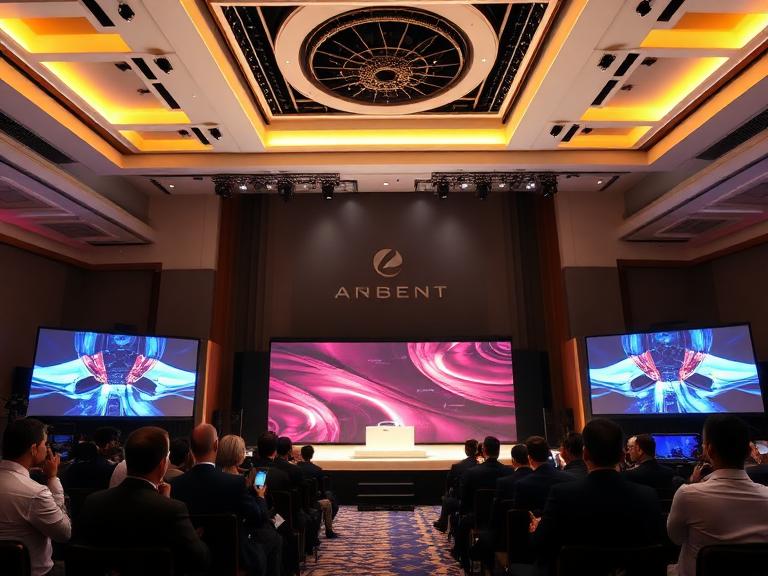
Types of Seminars Commonly Planned
Professional seminar planners organise events for organisations across multiple industries.
Corporate Seminars
Businesses organise seminars for:
- Employee training
- Leadership development
- Product education
- Customer engagement
- Sales meetings
- Professional networking
Professional planning ensures smooth execution while maintaining a corporate image.
Educational Seminars
Educational institutions regularly conduct:
- Academic conferences
- Career seminars
- Faculty development programmes
- Student workshops
- Research presentations
Professional coordination supports both presenters and participants.
Healthcare Seminars
Healthcare organisations organise:
- Medical conferences
- Continuing education programmes
- Clinical workshops
- Awareness seminars
- Healthcare training sessions
These events often require specialised technical and logistical planning.
Government and Public Sector Seminars
Government departments conduct seminars covering:
- Public awareness
- Policy discussions
- Administrative training
- Skill development
- Community programmes
Professional planning supports large delegate groups and structured schedules.
Industry Conferences and Knowledge Sessions
Industry associations frequently organise seminars that encourage:
- Knowledge sharing
- Professional networking
- Innovation discussions
- Market insights
- Technical presentations
Professional event management helps deliver organised and engaging programmes.
Seminar Event Planning Landscape in Hyderabad
Hyderabad has become one of India’s leading centres for business, education, healthcare, and technology.
This has significantly increased demand for professional seminar event planning services.
Strong Corporate Presence
The city hosts organisations from sectors including:
- Information Technology
- Pharmaceuticals
- Biotechnology
- Healthcare
- Manufacturing
- Financial Services
- Education
These industries regularly organise seminars for employees, clients, researchers, and business partners.
Modern Venue Options
Hyderabad offers numerous seminar venues including:
- Business hotels
- Conference centres
- Convention halls
- Educational institutions
- Corporate campuses
- Auditoriums
Professional planners help organisations select venues appropriate for seminar size, technical requirements, and delegate comfort.
Growing Educational Sector
Universities, colleges, research centres, and professional institutions frequently organise:
- Academic seminars
- Research conferences
- Career guidance programmes
- Faculty workshops
Professional planning helps these institutions deliver productive learning experiences.
Excellent Connectivity
Hyderabad’s international airport, metro network, and road infrastructure make it convenient for delegates travelling from across India and overseas.
This accessibility contributes to the city’s popularity as a seminar destination.
What to Look for When Choosing a Seminar Event Planner
Selecting the right seminar planning partner requires careful evaluation.
The following factors should be considered.
Relevant Experience
Choose planners with experience managing seminars similar in:
- Size
- Industry
- Audience profile
- Technical complexity
Experience often contributes to smoother execution.
Organisational Skills
Professional seminar planners should demonstrate:
- Detailed planning
- Timeline management
- Documentation
- Communication
- Coordination ability
Strong organisational skills reduce operational challenges.
Technical Knowledge
Seminars rely heavily on technology.
Professional planners should understand:
- Projection systems
- Audio equipment
- Lighting
- Internet connectivity
- Hybrid event platforms
- Live streaming requirements
Technical preparation improves presentation quality.
Vendor Network
Reliable relationships with experienced vendors help improve service consistency.
Professional planners often coordinate:
- Caterers
- Technical suppliers
- Printers
- Decor teams
- Photography providers
- Registration teams
Communication
Clear communication among organisers, speakers, delegates, and vendors contributes significantly to successful seminar management.
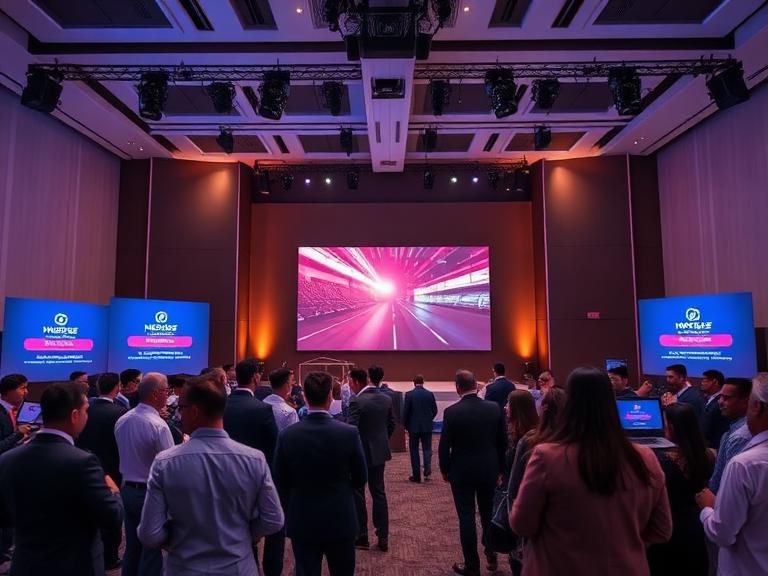
How Prashasta Events Approaches Seminar Event Planning
Professional seminar planning requires balancing educational objectives with operational efficiency.
Prashasta Events follows a structured planning methodology designed to support organisations throughout the seminar lifecycle.
The process generally includes:
Initial Consultation
Understanding:
- Seminar objectives
- Target audience
- Delegate numbers
- Budget expectations
- Venue preferences
- Technical requirements
Planning Strategy
Developing:
- Event schedules
- Speaker timelines
- Registration plans
- Vendor coordination
- Delegate communication
- Operational checklists
Coordination
Managing communication among:
- Venue teams
- Technical providers
- Speakers
- Catering teams
- Registration staff
- Organising committees
Event-Day Management
Supervising:
- Registration
- Speaker sessions
- Technical operations
- Hospitality
- Delegate movement
- Programme timing
This process-driven approach supports seminars conducted throughout Hyderabad while also assisting organisations planning events in Visakhapatnam (Vizag) and Vijayawada.
When Professional Seminar Event Planners Are Especially Needed
Although seminars of every size benefit from organised planning, some situations make professional seminar event planning especially valuable. As attendee numbers, technical requirements, and programme complexity increase, experienced planners help ensure smooth execution while reducing operational risks.
Large Corporate Seminars
Corporate seminars often involve employees, executives, clients, partners, and industry experts.
Professional seminar planners coordinate:
- Delegate registration
- Speaker schedules
- Audio-visual systems
- Stage management
- Branding
- Catering arrangements
- Networking sessions
- Technical support
- Guest assistance
This structured approach enables organisations to focus on business objectives rather than operational challenges.
Academic Conferences and Educational Seminars
Universities, colleges, and research institutions frequently organise seminars involving multiple speakers and parallel sessions.
Professional event planners assist with:
- Session scheduling
- Abstract management
- Delegate registration
- Venue allocation
- Presentation support
- Technical supervision
- Certificate distribution
- Hospitality coordination
Proper planning contributes to a productive learning environment for presenters and attendees.
Healthcare and Medical Seminars
Healthcare seminars often involve medical professionals, researchers, pharmaceutical companies, and educational institutions.
Professional planners help manage:
- Clinical presentation schedules
- Speaker requirements
- Exhibition spaces
- Delegate registration
- Technical demonstrations
- Hospitality
- Accreditation support where applicable
Attention to detail is particularly important because of the specialised nature of these events.
Government and Institutional Programmes
Government departments and public organisations regularly conduct awareness seminars, administrative workshops, and policy discussions.
Professional seminar planners coordinate:
- Large delegate groups
- Venue logistics
- Security arrangements
- Registration systems
- Documentation
- Technical facilities
This helps maintain organised operations throughout the programme.
Multi-Day Seminars
Seminars conducted over several days require continuous operational management.
Professional planners supervise:
- Daily schedules
- Accommodation arrangements
- Transportation
- Catering
- Session transitions
- Technical support
Consistent coordination improves both delegate experience and programme quality.
Hybrid and Online Seminars
Many organisations now conduct hybrid seminars that combine physical attendance with virtual participation.
Professional planning includes:
- Live streaming
- Virtual registrations
- Technical testing
- Speaker connectivity
- Online audience engagement
- Recording management
This ensures a seamless experience for both in-person and remote participants.
Common Mistakes Organisations Make When Planning Seminars
Even experienced organisations can encounter avoidable challenges when seminar planning is handled without a structured process.
Recognising common mistakes helps improve future event outcomes.
Unclear Objectives
Seminars without clearly defined goals often struggle to deliver meaningful outcomes.
Organisers should identify objectives such as:
- Knowledge sharing
- Professional development
- Customer education
- Employee training
- Industry networking
- Product awareness
Clear objectives guide every planning decision.
Delaying Venue Booking
Popular conference venues in Hyderabad are often reserved well in advance.
Late booking may result in:
- Limited venue choices
- Higher costs
- Scheduling conflicts
- Reduced availability of preferred dates
Early planning provides greater flexibility.
Underestimating Technical Requirements
Seminars depend heavily on reliable technical infrastructure.
Common requirements include:
- Projection systems
- Audio equipment
- Wireless microphones
- High-speed internet
- Live streaming platforms
- Recording equipment
Professional planners verify technical arrangements before the event begins.
Poor Registration Management
Long registration queues can create a negative first impression.
Professional planners streamline registration through:
- Advance confirmations
- Digital check-in systems
- Clearly marked registration desks
- Trained support staff
Efficient registration improves attendee satisfaction.
Weak Communication
Communication gaps between organisers, speakers, vendors, and delegates may result in:
- Schedule confusion
- Missed sessions
- Delayed presentations
- Operational inefficiencies
Professional planners establish clear communication channels throughout the planning process.
Ignoring Delegate Experience
A successful seminar depends not only on excellent speakers but also on a positive attendee experience.
Important factors include:
- Comfortable seating
- Clear signage
- Accessible facilities
- Refreshment breaks
- Networking opportunities
- Well-managed schedules
Professional planners focus on both educational value and attendee comfort.
Lack of Backup Plans
Unexpected situations may include:
- Speaker cancellations
- Technical failures
- Weather disruptions
- Internet outages
- Transportation delays
Professional seminar planners prepare contingency plans to minimise interruptions.
How Professional Seminar Planning Improves Event Outcomes
Professional seminar planning contributes to measurable improvements in organisation, delegate satisfaction, and overall event quality.
Better Learning Experience
Structured planning creates an environment where participants can focus on learning rather than logistical issues.
Professional planners ensure:
- Sessions begin on time
- Speakers receive technical support
- Delegates receive clear information
- Programme transitions remain smooth
This supports a productive educational experience.
Stronger Organisational Image
Well-managed seminars reflect positively on the hosting organisation.
Professional execution demonstrates:
- Attention to detail
- Operational efficiency
- Professionalism
- Commitment to quality
These qualities strengthen organisational credibility.
Efficient Resource Management
Professional planners help organisations make effective use of available resources by coordinating:
- Venues
- Vendors
- Staff
- Equipment
- Budgets
- Time
Efficient resource allocation improves overall event performance.
Better Networking Opportunities
Seminars often encourage interaction among participants.
Professional planning supports networking through:
- Scheduled breaks
- Registration management
- Hospitality areas
- Discussion sessions
- Exhibition spaces
These opportunities increase the value participants receive from attending.
Reduced Pressure on Internal Teams
Without external support, employees often balance seminar planning alongside their regular responsibilities.
Professional planners manage operational tasks, allowing internal teams to focus on speakers, delegates, and organisational objectives.
Why Hyderabad Is an Excellent City for Seminars
Hyderabad continues to attract educational institutions, multinational companies, healthcare organisations, and industry associations.
Several factors make the city well suited for seminars.
Modern Infrastructure
Hyderabad offers:
- International-standard hotels
- Convention centres
- Conference venues
- Auditoriums
- Business parks
- Educational campuses
These facilities support seminars of varying sizes and formats.
Business and Academic Ecosystem
The city’s strong presence in technology, healthcare, education, and research creates continuous demand for professional seminar planning.
Organisations regularly conduct:
- Corporate training programmes
- Academic conferences
- Medical seminars
- Business networking events
- Industry workshops
Accessibility
Hyderabad’s international airport, metro system, and road connectivity make travel convenient for delegates arriving from across India and overseas.
This accessibility supports national and international seminar participation.
Professional Event Ecosystem
The city has an established network of:
- Audio-visual providers
- Caterers
- Hospitality teams
- Registration specialists
- Technical production companies
- Event professionals
This ecosystem contributes to efficient seminar delivery.
Choosing the Right Seminar Event Planner
Selecting an experienced seminar planner requires more than comparing quotations.
Organisations should evaluate several important factors.
Relevant Industry Experience
Choose planners with experience organising seminars similar to yours.
Industry familiarity often improves planning efficiency and problem-solving.
Planning Methodology
Professional planners should explain how they approach:
- Planning
- Scheduling
- Vendor coordination
- Risk management
- Delegate communication
- Event execution
Structured methodologies generally produce more consistent results.
Technical Capability
Technology is central to modern seminars.
Professional planners should understand:
- Presentation systems
- Hybrid event platforms
- Streaming technology
- Recording solutions
- Internet requirements
Technical preparation reduces the likelihood of disruptions.
Communication
Regular communication helps organisers remain informed throughout the planning process.
Professional planners provide updates regarding:
- Planning milestones
- Vendor coordination
- Registration progress
- Operational readiness
Local Knowledge
Experience working across Hyderabad, Visakhapatnam (Vizag), and Vijayawada enables planners to recommend suitable venues, vendors, and logistical solutions for different types of seminars.
Conclusion
Seminars remain one of the most effective ways for organisations to share knowledge, develop professional skills, strengthen business relationships, and encourage meaningful discussions. Whether organised by corporations, educational institutions, healthcare organisations, or government departments, successful seminars require structured planning, efficient logistics, and careful coordination.
Professional seminar event planning supports every stage of the event lifecycle—from defining objectives and selecting venues to coordinating speakers, managing registrations, supervising technical operations, and ensuring a positive delegate experience. This organised approach reduces operational challenges while helping organisers achieve their educational or business goals.
As Hyderabad continues to expand as a centre for technology, education, healthcare, and commerce, the demand for experienced seminar event planners is expected to grow. Organisations should evaluate planning partners based on industry experience, planning methodology, communication, technical expertise, and execution capability.
For organisations conducting seminars in Hyderabad and extending programmes to Visakhapatnam (Vizag) and Vijayawada, professional firms such as Prashasta Events provide a structured, process-driven approach to seminar planning and coordination. Their focus on organisation, operational efficiency, and attendee experience helps create seminars that are informative, professionally managed, and aligned with organisational objectives.
Frequently Asked Questions
1. What is seminar event planning?
Seminar event planning involves organising educational, corporate, healthcare, government, or industry seminars through structured planning, coordination, logistics, and event execution.
2. Who provides seminar event planning services in Hyderabad?
Professional event planning companies in Hyderabad provide seminar planning services for businesses, educational institutions, healthcare organisations, and public sector programmes.
3. What services are included in seminar event planning?
Services typically include venue selection, budgeting, speaker coordination, delegate registration, technical setup, hospitality, logistics, branding, and on-site event management.
4. How much does seminar event planning cost in Hyderabad?
Costs depend on the venue, attendee numbers, technical requirements, seminar duration, and the range of services required.
5. Why should organisations hire professional seminar planners?
Professional seminar planners improve organisation, coordinate vendors, manage logistics, reduce operational risks, and enhance the delegate experience.
6. Do seminar planners arrange speakers and schedules?
Yes. Professional planners often coordinate speaker schedules, presentation requirements, session timings, and technical support.
7. Can seminar planners organise corporate seminars?
Yes. They regularly organise employee training programmes, leadership seminars, product education sessions, and business conferences.
8. Do seminar planners manage registrations?
Yes. Registration management, attendee communication, and check-in support are commonly included in seminar planning services.
9. How early should a seminar be planned?
Large seminars should ideally be planned several months in advance to secure venues, speakers, and vendors.
10. Can seminar planners organise hybrid seminars?
Yes. Many professional planners manage hybrid seminars that combine physical attendance with online participation.
11. Do seminar planners provide technical support?
Yes. They coordinate audio-visual equipment, projection systems, internet connectivity, live streaming, and presentation support.
12. Can seminar planners work in Vizag and Vijayawada?
Many professional event planning companies provide seminar management services across Hyderabad, Visakhapatnam (Vizag), and Vijayawada.
13. How do I choose the right seminar planner?
Evaluate experience, planning methodology, technical expertise, communication, vendor network, and execution capability.
14. Which organisations benefit from seminar planning services?
Businesses, universities, healthcare providers, government departments, professional associations, and non-profit organisations all benefit from professional seminar planning.
15. What makes a seminar successful?
Clear objectives, experienced speakers, organised logistics, reliable technology, effective coordination, and a positive delegate experience are the foundations of a successful seminar.
Leave a Reply