

Table of Contents
When Should I See a Pain Specialist? Signs You Should Not Ignore
Pain is one of the most common reasons people seek medical care. While short-term pain after an injury or illness is often expected, pain that persists, worsens, or interferes with daily life should never be ignored. Many people live with pain longer than necessary because they are unsure when it is appropriate to consult a pain specialist.
Understanding the right time to seek expert pain care can help prevent long-term complications, reduce dependence on painkillers, and improve quality of life.
Understanding What a Pain Specialist Does
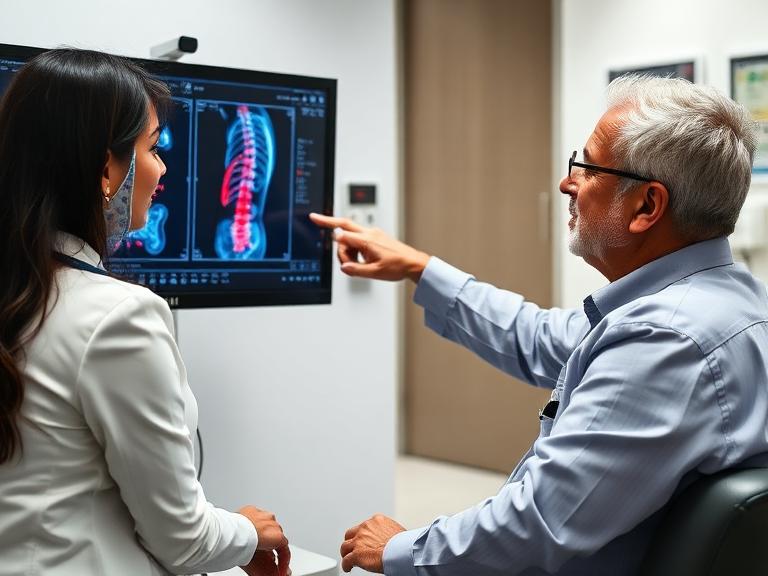
A pain specialist is a doctor trained to diagnose and manage different types of pain—acute, chronic, and complex pain conditions. Many pain specialists come from backgrounds such as anaesthesiology, physical medicine, or neurology, and receive additional training in pain management.
Their role is not limited to prescribing medication. Instead, they focus on:
- Identifying the root cause of pain
- Using targeted treatments rather than generalized pain relief
- Reducing pain while improving function and mobility
- Helping patients avoid unnecessary surgery when possible
Common Signs It’s Time to See a Pain Specialist
1. Your Pain Has Lasted More Than a Few Weeks
Pain that continues beyond the expected healing time—usually more than 4–6 weeks—should be evaluated. Persistent pain may indicate nerve involvement, inflammation, or an underlying condition that needs specialized care.
Chronic pain is often easier to manage early, before it becomes deeply ingrained in the nervous system.
2. Pain Is Affecting Your Daily Activities
If pain interferes with:
- Walking or sitting comfortably
- Sleeping well
- Working or concentrating
- Performing routine tasks
it may be time to seek a pain specialist. Pain management is not just about reducing pain intensity—it’s about restoring function and quality of life.

3. Pain Medications Are No Longer Helping
Over-the-counter painkillers and short courses of prescription medications may help initially, but long-term reliance can lead to:
- Reduced effectiveness
- Side effects
- Dependency concerns
A pain specialist can offer non-surgical, image-guided treatments and structured pain plans that reduce the need for prolonged medication use.
4. You Have Nerve-Related Pain Symptoms
Symptoms such as:
- Burning or shooting pain
- Tingling or numbness
- Pain radiating down the arms or legs
often suggest nerve involvement. These types of pain usually respond better to targeted pain management approaches rather than general painkillers.
5. Pain Persists After Surgery or Injury
Post-surgical or post-injury pain that does not gradually improve may require specialized evaluation. Early pain intervention can prevent acute pain from becoming chronic.
Pain specialists often work alongside surgeons and physicians to manage post-operative and post-traumatic pain safely.
6. You Want to Avoid or Delay Surgery
Not all pain requires surgery. In many cases, interventional pain management techniques can significantly reduce pain and improve function.
A pain specialist can help determine whether surgery is necessary or if conservative, minimally invasive treatments may be effective.
Conditions Commonly Managed by Pain Specialists
You may benefit from seeing a pain specialist if you experience:
- Chronic back or neck pain
- Sciatica or nerve pain
- Joint pain (knee, shoulder, hip)
- Myofascial or muscle pain
- Post-surgical pain
- Pain related to arthritis or spine conditions
Each condition requires a tailored approach rather than a one-size-fits-all solution.

What to Expect During a Pain Specialist Consultation
A pain specialist typically takes a comprehensive approach, which includes:
- Detailed medical and pain history
- Review of previous investigations and treatments
- Physical and functional assessment
- Identifying pain generators rather than symptoms alone
Based on this evaluation, the specialist may suggest:
- Lifestyle and activity modifications
- Physical therapy integration
- Targeted pain procedures
- Short-term medication strategies with monitoring
The Importance of Image-Guided Pain Management
Modern pain management increasingly relies on image-guided techniques, such as ultrasound or fluoroscopy, to improve accuracy and safety. These approaches allow doctors to treat the exact source of pain rather than guessing.
Anaesthesiologists with training in pain management are often well-versed in these techniques because of their strong understanding of anatomy, nerve pathways, and medication safety.
Choosing the Right Pain Specialist
When considering a pain specialist, look for someone who:
- Has formal training in pain management
- Takes time to explain treatment options
- Focuses on safety and long-term outcomes
- Uses evidence-based, individualized care
At centres like Apollo Medical Centre, pain management is often handled by anaesthesiologists with additional pain training. For example, Dr. Purohithi, an anaesthesiologist with experience in both acute and chronic pain management, works with patients to understand the cause of pain and guide them through appropriate, minimally invasive treatment options. This type of background is particularly helpful when pain involves nerves, surgery-related issues, or requires precise pain control.
Early Pain Care Makes a Difference
One of the most common misconceptions is that people should “wait it out” when it comes to pain. In reality:
- Early evaluation can prevent chronic pain
- Timely intervention may reduce treatment complexity
- Patients often recover faster with structured care
Seeing a pain specialist does not mean committing to procedures—it simply means getting expert guidance on the best next steps.
Final Advice for Readers
If pain is:
- Persistent
- Limiting your lifestyle
- Not responding to basic treatment
it may be time to consult a pain specialist for a clearer diagnosis and broader treatment options. Pain management today is far more advanced and patient-focused than many people realize.
Seeking the right expertise—such as a trained pain specialist or anaesthesiologist in Hyderabad, experienced in pain care—can help you make informed decisions and regain control over your daily life.




Leave a Comment