
Table of Contents
Public EV Charging Station Maintenance Hyderabad | O&M & Field Services
The rapid electrification of public and commercial transport across Telangana has turned public EV charging stations into core urban infrastructure. Charge Point Operators (CPOs), government nodal agencies like TGREDCO, commercial real estate developers, and municipal bodies face a shared operational challenge: maintaining continuous station uptime.
Public charging stations deployed along high-traffic corridors—such as the 158-km Outer Ring Road (ORR), HITEC City, Gachibowli, Shamshabad International Airport, and major highway entry points—experience heavy daily usage under demanding environmental conditions.
                     ┌──────────────────────────────────────────────┐
                     │   Public EVSE Maintenance Challenges         │
                     └──────────────────────┬───────────────────────┘
                                            │
         ┌──────────────────────────────────┼──────────────────────────────────┐
         │                                  │                                  │
┌────────┴─────────┐              ┌─────────┴────────┐              ┌──────────┴─────────┐
│ High Turnover &  │              │ Summer Heat     │              │ Grid Surges &      │
│ Cable Wear       │              │ Exceeding 42°C  │              │ Dust Accumulation  │
│ (Mechanical Stress)             │ (Thermal Throttling)           │ (Ground Isolation) │
└──────────────────┘              └──────────────────┘              └────────────────────┘
Securing reliable public EV charging station maintenance in Hyderabad is essential to prevent revenue loss, protect high-voltage hardware, and build public trust in electric mobility. A structured Operations & Maintenance (O&M) framework provides preventive health audits, Central Electricity Authority (CEA) safety compliance, local spare parts reserves, and rapid emergency break-fix response times.
This technical guide outlines the operational standards, safety procedures, software diagnostics, and service level agreements (SLAs) required to maintain public EV charging stations across the Hyderabad Metropolitan Region.
1. Environmental & Operational Factors Affecting Public EVSE in Hyderabad
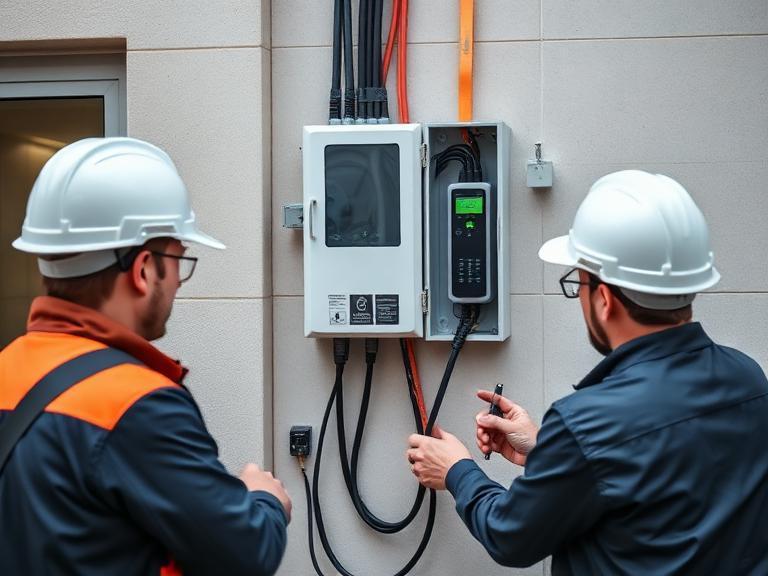
Public EV supply equipment (EVSE) operates continuously in unmonitored outdoor environments. Maintaining uptime requires addressing specific localized stresses that impact hardware performance across Telangana.
Key Stress Factors
- Extreme Summer Thermal Load: Hyderabad summers regularly bring temperatures above 42°C. High ambient heat, combined with internal thermal output from 60kW to 360kW DC power modules, accelerates fan wear, degrades module rectifiers, and causes thermal throttling if cooling systems are unmaintained.
- Airborne Dust and Particulates: Urban traffic dust and ongoing construction near IT and suburban expansion zones fill cabinet intake filters. Clogged filters restrict airflow, raise internal temperatures, and trigger high-temperature diagnostic shutdowns.
- Monsoon Humidity and Ground Isolation Faults: Monsoon rains expose outdoor equipment to moisture risks. Deteriorated door gaskets or degraded cable sheaths cause moisture ingress, tripping ground fault isolation interlocks and shutting down the charger.
- Grid Instability and Voltage Surges: Supply fluctuations from distribution lines can stress control pilot communications, damage main AC/DC contactors, and trigger persistent surge protection device (SPD) trips.
┌────────────────────────────────────────────────────────────────────────────────────────┐
│                        PUBLIC CHARGER FAILURE MODES & PREVENTION                       │
└───────────────────────────────────────────┬────────────────────────────────────────────┘
                                            │
  Over-Temperature Thermal Shutdown ────────┼──> Prevented by Filter Replacement & Fan Checks
                                            │
  Physical Cable/Gun Latch Damage ──────────┼──> Prevented by Terminal Inspection & Care
                                            │
  Ground Fault Isolation Trips ─────────────┼──> Prevented by Earth Pit Maintenance
                                            │
  OCPP Communication Drops ─────────────────┼──> Prevented by OTA Diagnostics & Telemetry
2. Core Modules of Public EV Charging Maintenance Programs
A complete public EVSE maintenance program combines remote cloud software diagnostics with scheduled on-site field engineering.
┌────────────────────────────────────────────────────────────────────────────────────────┐
│                         PUBLIC O&M FIELD MAINTENANCE WORKFLOW                          │
└───────────────────────────────────────────┬────────────────────────────────────────────┘
                                            │
  1. High-Voltage Safety Audits ─────────────┼──> Insulation Resistance & Earth Pit Tests
                                            │
  2. Infrared Thermal Diagnostics ──────────┼──> Busbar & Terminal Hot-Spot Detection
                                            │
  3. Mechanical & Cable Servicing ──────────┼──> CCS2 Pins, Latches, Gaskets, Air Filters
                                            │
  4. Software & OCPP Telemetry Sync ────────┼──> Transaction Logs & Firmware Upgrades
                                            │
  5. Emergency Safety Inspections ──────────┼──> Emergency Stop & RCD Leakage Audits
Module 1: High-Voltage Electrical Safety & Earthing Audits
- Earth Pit Resistance Inspections: Testing dedicated chemical earth pits using three-pole fall-of-potential methods. Earth pit resistance must remain below 1.0 Ohm to meet CEA safety rules and local utility (TGSPDCL/TGNPDCL) standards.
- Insulation Resistance (Megger) Testing: Testing internal power paths at 1000V DC to detect insulation breakdown before phase-to-ground faults occur.
- Residual Current Device (RCD) Verification: Testing Type-A AC leakage and Type-B DC leakage protections to ensure trip times stay under 30 milliseconds during ground fault conditions.
Module 2: Thermal Management & Enclosure Servicing
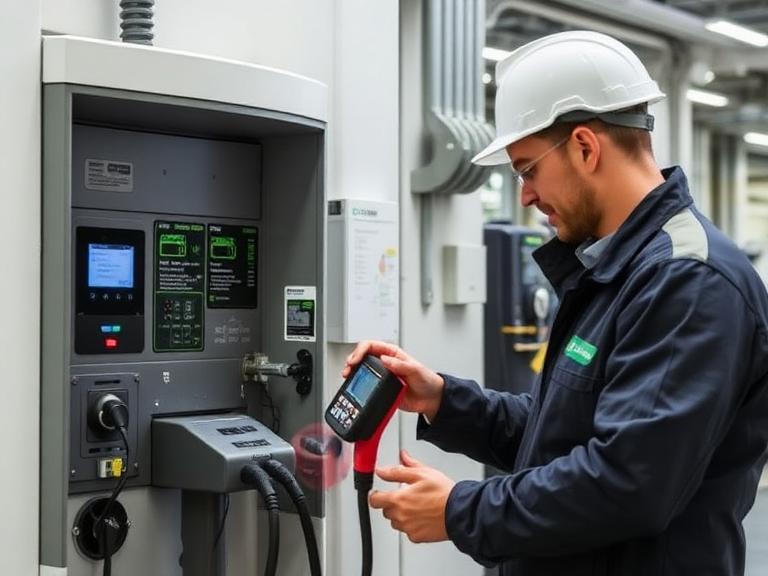
- Infrared Thermal Imaging: Scanning internal busbars, terminal connections, fuses, and main AC/DC contactors under full load using calibrated thermal cameras to identify high-resistance hot spots.
- Filter Media Replacement: Cleaning or replacing IP54/IP65 cabinet air filters quarterly to maintain proper internal airflow and cooling performance.
- Liquid-Cooled System Care: On ultra-fast 180kW–360kW liquid-cooled chargers, engineers check coolant levels, inspect line pressures, test heat exchanger pumps, and check hose lines for leaks.
Module 3: Connector Guns, Cables, & Physical Enclosures
- CCS2 Contact Pin & Latch Maintenance: Inspecting heavy-duty charging pins for arcing damage, corrosion, or wear. Servicing electromagnetic connector latch mechanisms to avoid session locking errors.
- Cable Strain Relief & Outer Sheath Care: Inspecting high-current cables for outer sheath cuts, copper conductor strain, or physical damage caused by improper hanging.
- Enclosure Weatherproofing Seals: Checking door gaskets, cable glands, and locks to prevent water, dust, or pest entry.
Module 4: Remote OCPP Diagnostics & Firmware Maintenance
- OCPP Telemetry Reviews: Analyzing OCPP 1.6J/2.0.1 transaction logs to spot dropped connections, billing errors, or meter packet failures.
- Over-the-Air (OTA) Updates: Installing verified manufacturer firmware patches to improve control pilot handshakes, fix software bugs, and maintain vehicle compatibility.
3. Maintenance Strategy Comparison: Public Fast Chargers vs. Destination Chargers
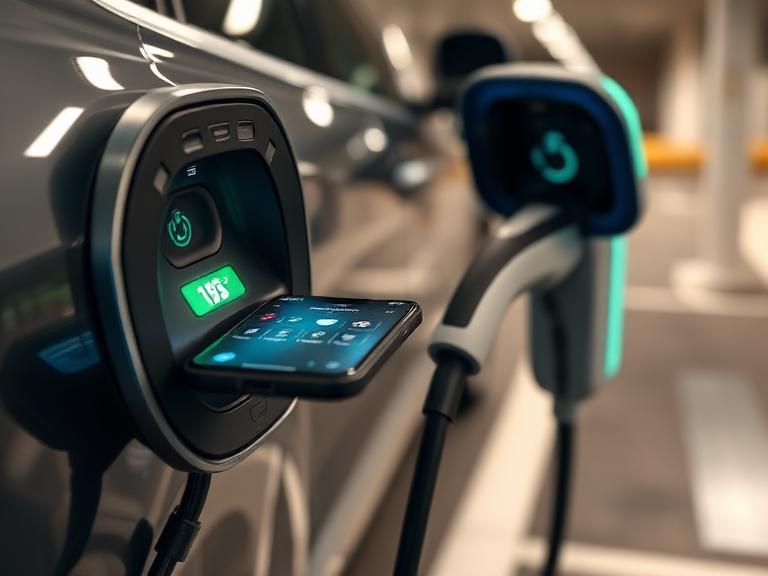
Public infrastructure includes a mix of high-power DC fast-charging hubs and low-to-medium power AC destination stations. Each type requires a tailored maintenance approach.
| Operational Feature | Public Ultra-Fast DC Hub (ORR / Highways) | Commercial DC Fast Hub (Malls / Fleets) | Public AC Destination Station (Parks / Parking) |
| Power Output Range | 120kW to 360kW | 60kW to 120kW | 7.4kW to 22kW |
| Cooling Architecture | Forced Air / Liquid Cooled | Forced Air Cooled | Natural Convection |
| Physical Inspection Frequency | Bi-Monthly (Every 60 Days) | Quarterly (Every 90 Days) | Bi-Annually (Every 6 Months) |
| Thermal Imaging Scope | Full Substation, Rectifiers, Cables | Rectifier Modules & Input Terminals | Terminal Block & Input Breaker |
| Response SLA (Breakdown) | < 2 Hours On-Site | < 4 Hours On-Site | < 8 Hours On-Site |
| Critical Wear Items | Liquid Coolant, CCS2 Pins, Air Filters | Dust Filters, Contactors, Cable Latches | Type-2 Socket Pins, Enclosure Gaskets |
| Target Network Uptime SLA | 99.5% Network Availability | 99.0% Network Availability | 98.0% Network Availability |
4. Emergency Field Escalation & On-Site SLA Frameworks
When a public charger fails, rapid response times are critical to prevent vehicle stranded incidents and maintain positive user feedback on public tracking apps (e.g., PlugShare, TGEV app).
       ┌──────────────────────────────────────────────────────────┐
       │               Breakdown Service Escalation               │
       └────────────────────────────┬─────────────────────────────┘
                                    │
         ┌──────────────────────────┼──────────────────────────┐
         │                          │                          │
┌────────┴─────────┐       ┌────────┴─────────┐       ┌────────┴─────────┐
│ Tier-1 Remote    │       │ Tier-2 On-Site   │       │ Tier-3 Major     │
│ Diagnostic Reset │       │ Field Engineer   │       │ Module Repair    │
│ (< 15 Minutes)   │       │ (< 2-4 Hours)    │       │ (< 24 Hours)     │
└──────────────────┘       └──────────────────┘       └──────────────────┘
Breakdown Escalation Levels
Tier-1: Remote Diagnostic Resets
- Response Window: Under 15 Minutes (24/7 Remote Monitoring Center).
- Actions: Remote operators analyze error codes (e.g., emergency stop engaged, communication timeout, isolation fault). They perform remote soft/hard reboots, clear stuck session states, or push emergency software fixes without sending field staff.
Tier-2: Rapid Field Service Dispatch
- Response Window (IT Corridor / Urban Zone): Within 2 to 4 Hours.
- Response Window (Highway Outskirts / Suburban Hubs): Within 4 to 6 Hours.
- Actions: A field engineer arrives with diagnostic instruments, replacement CCS2 guns, contactors, control boards, and safety gear to handle physical repairs on-site.
Tier-3: Major Module & Substation Repairs
- Target Resolution (MTTR): Within 24 Hours.
- Actions: Replacing damaged 30kW power modules, repairing main circuit breakers, replacing cracked displays, or fixing upstream transformer connections.
5. Localized Hyderabad Spare Parts Stocking & Inventory Care
A common reason for extended public charger downtime is delayed spare parts delivery. Managed O&M services address this by maintaining regional buffer stock in local Hyderabad warehouses.
┌────────────────────────────────────────────────────────────────────────────────────────┐
│                        CRITICAL LOCAL SPARE PARTS RESERVES                             │
└───────────────────────────────────────────┬────────────────────────────────────────────┘
                                            │
  Power Conversion Rectifiers ──────────────┼──> 20kW / 30kW AC/DC Rectifier Modules
                                            │
  High-Current Cable Assemblies ────────────┼──> Standard & Liquid-Cooled CCS2 Connector Guns
                                            │
  Communication & Control Electronics ──────┼──> Charge Controllers, Gateway Cards, Display Panels
                                            │
  Switchgear & High-Power Protection ───────┼──> AC/DC Contactors, High-Speed Fuses, SPDs
Holding critical parts locally cuts component replacement times from weeks to hours.
6. High-Voltage Safety Standards & Statutory Compliance
Field operations on public DC fast chargers operating up to 1000V DC require strict safety protocols aligned with Central Electricity Authority (CEA) rules and TGSPDCL grid guidelines.
┌────────────────────────────────────────────────────────────────────────────────────────┐
│                          HIGH-VOLTAGE FIELD SAFETY STACK                               │
└───────────────────────────────────────────┬────────────────────────────────────────────┘
                                            │
  Lockout / Tagout (LOTO) Protocols ────────┼──> Upstream Isolation Verification
                                            │
  Class-0 Personal Protective Equipment ────┼──> 1000V Insulated Gloves & Arc-Shields
                                            │
  DC Bus Capacitor Discharge Testing ───────┼──> Zero-Energy State Verification
Mandatory Safety Steps During Public Servicing
- Lockout/Tagout (LOTO) Procedures: Technicians isolate upstream circuit breakers and apply lockout tags before opening high-voltage enclosures.
- Zero-Energy State Verification: High-power DC chargers retain stored energy in capacitor banks. Technicians verify zero voltage using insulated meters before handling internal busbars.
- Personal Protective Equipment (PPE): Maintenance on open high-voltage systems requires Class 0 (1000V rated) insulated gloves, arc-flash face shields, flame-resistant clothing, and insulated safety boots.
7. Financial Return on Public O&M Investment
Skipping preventive maintenance leads to premature component failure, voided warranties, and lost charging revenue from unserviceable stations.
Financial Comparison: Managed O&M vs. Reactive Breakdown Fixes
┌────────────────────────────────────────────────────────────────────────────────────────┐
│                   5-YEAR FINANCIAL IMPACT: MANAGED O&M VS REACTIVE REPAIRS             │
└───────────────────────────────────────────┬────────────────────────────────────────────┘
                                            │
  Managed Public O&M Contract ──────────────┼──> Predictable OPEX | >99% Station Uptime
                                            │
  Reactive Breakdown Repairs ───────────────┼──> Unplanned Costs | Extended Uptime Downtime
Unmaintained Public Charger Risk Profile (5-Year Horizon)
- Failed 30kW Power Modules from clogged air filters: ₹1,80,000
- Damaged CCS2 Gun Terminals from high contact resistance: ₹85,000
- Out-of-Warranty Emergency Call-Outs & Labor Charges: ₹1,20,000
- Revenue Loss from 25 Days Cumulative Downtime: ₹2,50,000
- Total Downtime & Repair Expense: ₹6,35,000
Managed Public O&M Service Profile (5-Year Horizon)
- 5-Year Comprehensive O&M Fee: ₹3,90,000
- Internal Repairs, Modules, and Cables Covered: ₹0 Extra
- Cumulative Revenue Loss (Under 2 Days Downtime): ₹20,000
- Total Managed Expense: ₹4,10,000
- Net 5-Year Financial Savings: ₹2,25,000 (plus preserved asset lifespan)
8. Frequently Asked Questions (FAQs)
1. What is included in public EV charging station maintenance in Hyderabad?
Public EV charging station maintenance covers scheduled preventive health checks, thermal imaging of high-voltage busbars, replacement of cabinet dust filters, CCS2 gun pin maintenance, chemical earth pit resistance audits, remote OCPP telemetry diagnostic monitoring, and rapid on-site emergency repair dispatch.
2. Why is regular maintenance crucial for public charging stations along Hyderabad corridors?
Public chargers on busy transit hubs like the Outer Ring Road (ORR) or HITEC City face heavy continuous usage, severe summer heat (>42°C), airborne dust, and high thermal stress on power modules. Regular maintenance prevents station downtime, protects session revenue, and maintains public user trust.
3. How quickly can emergency field engineers respond to public charger breakdowns in Hyderabad?
Standard emergency SLAs guarantee an on-site technician response within 2 to 4 hours for key commercial and public hubs across HITEC City, Gachibowli, Madhapur, and Shamshabad Airport corridors, aiming for a mean time to repair (MTTR) under 8 hours.
4. What regulatory safety standards apply to public EV charging station maintenance in Telangana?
Public EVSE maintenance must comply with Central Electricity Authority (CEA) Safety Regulations, Bureau of Indian Standards (BIS) IS 17017, TGREDCO guidelines, and TGSPDCL/TGNPDCL grid connection safety standards, including maintaining earth pit resistance strictly below 1.0 Ohm.
5. How does remote OCPP diagnostic monitoring reduce public charger downtime?
OCPP 1.6J/2.0.1 cloud software continuously tracks diagnostic error codes, voltage drops, and isolation fault logs. Remote engineers can perform automated soft reboots, clear stuck session locks, and push over-the-air (OTA) firmware patches without sending a field crew.
6. How often should public DC fast-charging stations undergo preventive physical inspections?
High-capacity public DC fast chargers (60kW to 360kW) require physical preventive maintenance visits at least once every quarter (every 3 months), while high-traffic highway hubs benefit from bi-monthly physical audits.
7. What are the primary causes of public EV charger failures in Hyderabad?
Common failure modes include thermal throttling from clogged air filters, damaged or worn CCS2 gun pins, communication drops between the control pilot and vehicle, grid voltage surges, and mechanical damage to outdoor cable assemblies.
8. What maintenance is required for liquid-cooled ultra-fast DC chargers?
Maintenance includes inspecting coolant pressure levels, checking hose lines and connectors for micro-leaks, verifying heat exchanger radiator fan operation, and replacing glycol-based coolant according to manufacturer run-time intervals.
9. Do maintenance contracts cover upstream high-tension (HT) substations and transformers?
Yes, full-scope Operations & Maintenance (O&M) contracts can be expanded to cover upstream HT infrastructure, including 11kV/33kV transformers, air circuit breakers (ACBs), switchgear panels, and TGSPDCL metering units.
10. How does thermal imaging help prevent public charger breakdowns?
Calibrated thermal cameras scan internal busbars, terminal blocks, fuses, and contactors under active load to detect hot spots caused by loose connections or high contact resistance before components burn out.
11. How are wear-and-tear replacement parts managed for public charging networks?
Professional O&M service providers maintain local warehouse stocks of critical spare parts in Hyderabad, including 30kW AC/DC rectifier modules, CCS2 cables, control pilot boards, contactors, and display modules to ensure rapid replacement.
12. What safety procedures are followed during public charger field servicing?
Technicians enforce strict Lockout/Tagout (LOTO) procedures on upstream breakers, wear Class 0 1000V rated insulated gloves with arc-flash protection, and verify complete DC capacitor discharge before touching high-voltage internals.
13. How does an O&M contract help Charge Point Operators (CPOs) retain public users?
Consistent station uptime (>99.0%) ensures driver confidence on navigation apps (e.g., PlugShare, TGEV app). A functional, clean charger prevents negative user reviews and maximizes repeat daily charging traffic.
14. Can maintenance providers handle public chargers installed on government or TGREDCO land?
Yes, certified field engineering agencies execute O&M operations for public chargers sited on municipal (GHMC/HMDA) or state agency (TGREDCO) land, adhering fully to public tender safety and service level mandates.
15. What is the difference between preventive maintenance and corrective maintenance?
Preventive maintenance involves scheduled, proactive servicing to prevent failures before they occur. Corrective maintenance is reactive repair work performed after a failure or fault has taken place to restore the station to working order.
Leave a Reply